SBL™ Spontaneous Breathing Lung
Breathe Easier with the SBL™ Spontaneous Breathing Lung
“We have been using Michigan Instruments Training Test Lungs in our Respiratory Care program for many years, we love them.”

Breathe Easier with the SBL™ Spontaneous Breathing Lung
“We have been using Michigan Instruments Training Test Lungs in our Respiratory Care program for many years, we love them.”
The SBL™ Spontaneous Breathing Lung from Michigan Instruments provides accurate, repeatable simulation of a spontaneously breathing patient—
supporting clinical education, device testing, and research where realism and consistency matter.
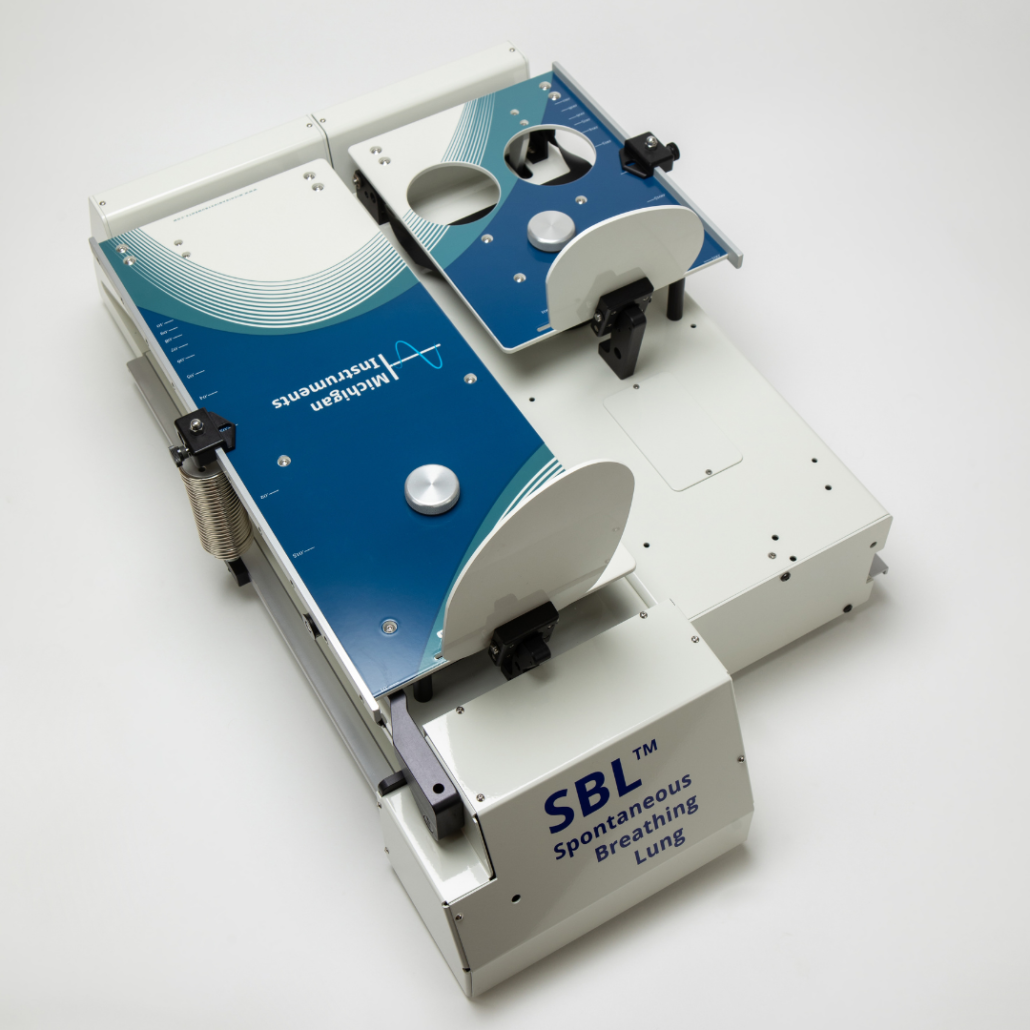
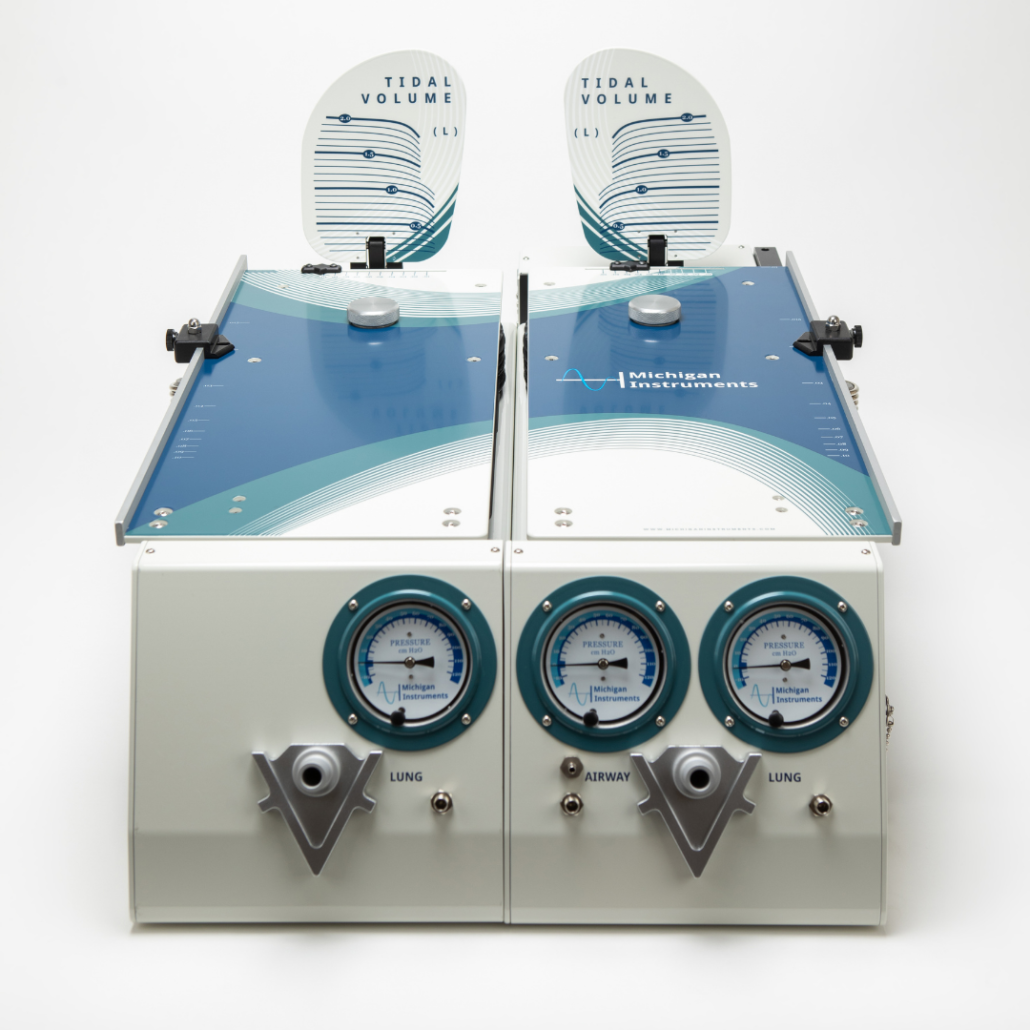
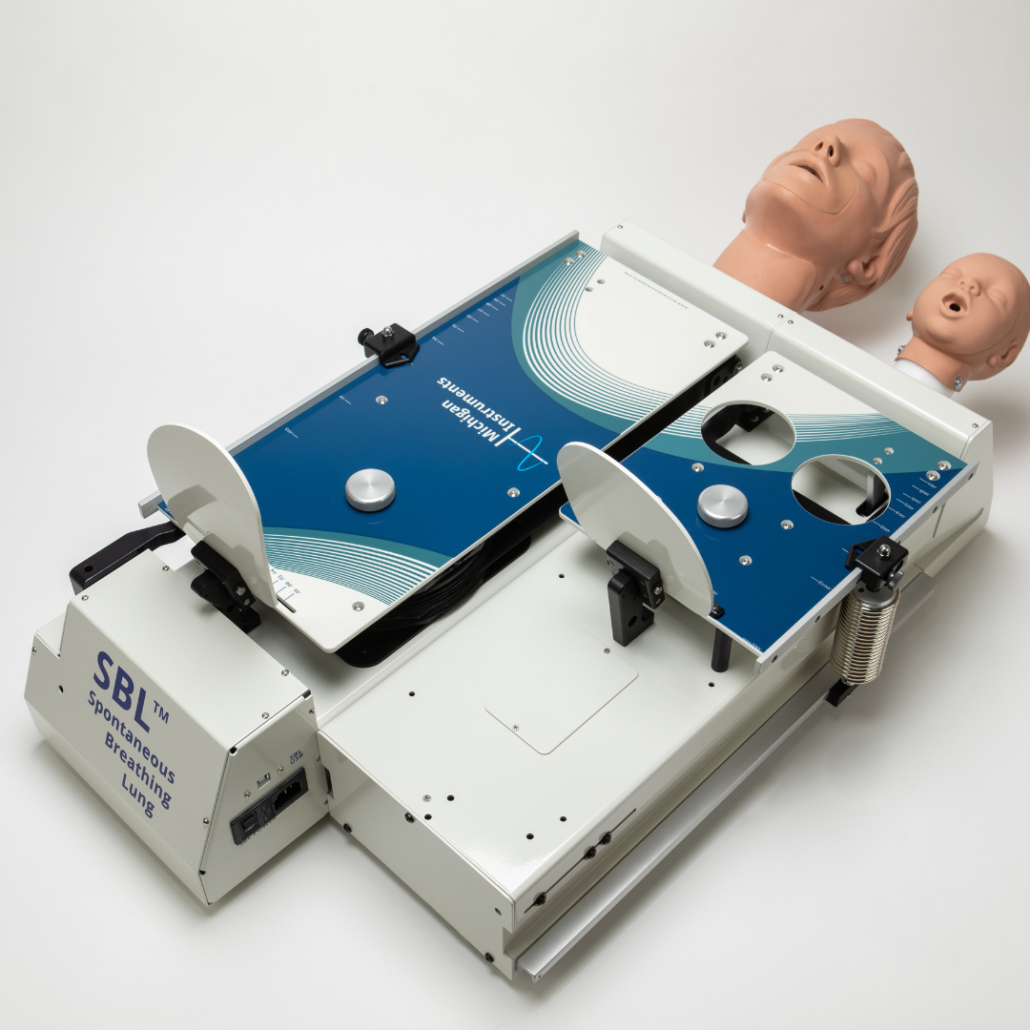
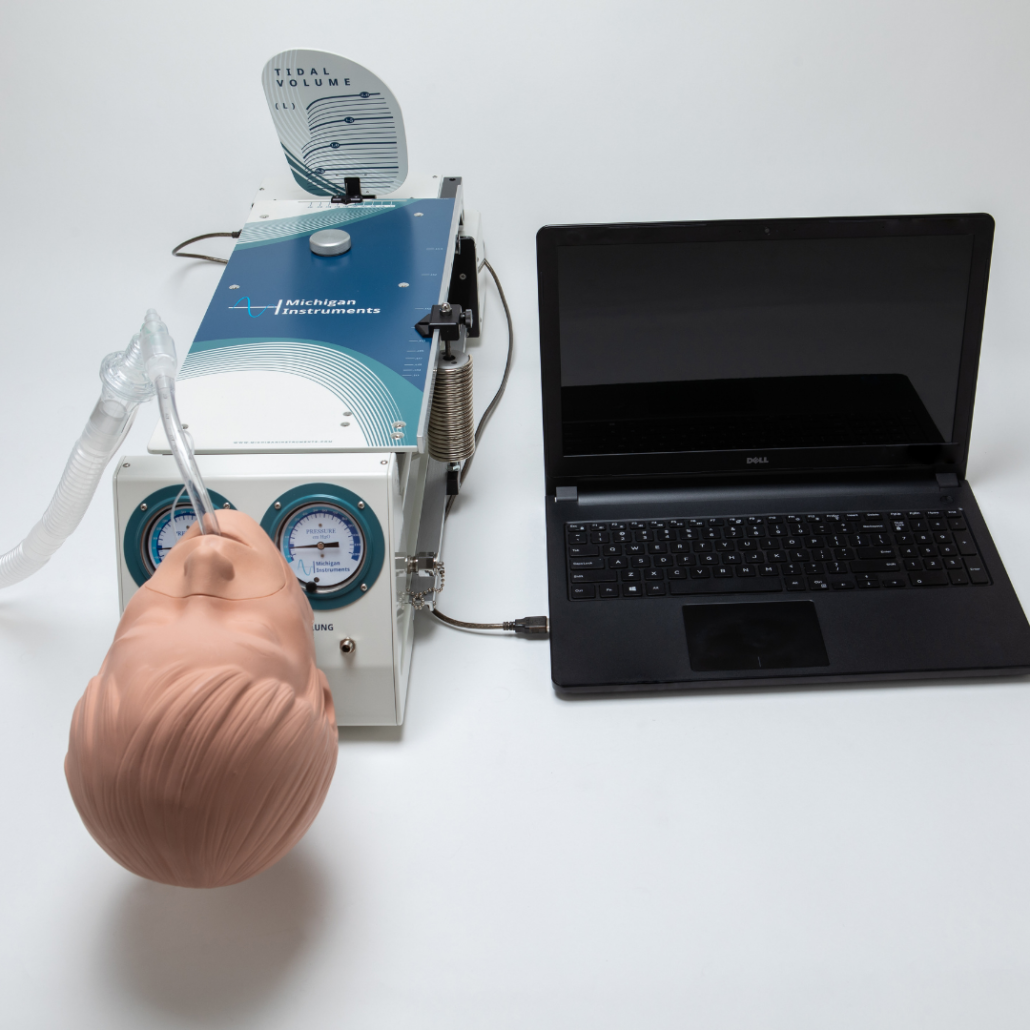
The SBL™ Spontaneous Breathing Lung is a Full Lung Simulator with a breathing module and electronics built in to allow the simulator to breathe on its own. This system offers controlled, measurable spontaneous breathing. This is available as an independent device, or you CAN UPGRADE the current generation TTL® and PneuView® Lung Simulators.
Unlike software-only solutions, the SBL™ produces physical breathing mechanics that respond predictably across repeated sessions—ideal for training, validation, and development work.
Spontaneous breathing simulation is invaluable for evaluating, teaching and training with:
The SBL™ allows users to assess how equipment responds to realistic patient-driven breathing, including trigger sensitivity, breath detection, and breath stacking behavior.
Modern respiratory care relies on devices designed for spontaneously breathing patients. The SBL™ enables educators to create diverse, realistic breathing scenarios for:
Learners gain confidence through repeated exposure to consistent, lifelike breathing behavior.
The SBL™ supports the evaluation of devices intended for spontaneous breathing patients, including:
Biomedical engineers and technical specialists rely on the SBL™ for stable, repeatable performance during verification and troubleshooting.
Any activity involving breathing mechanics can benefit from the SBL™. Michigan Instruments simulators have been used for:
Researchers value the SBL™ for its reproducibility and measurable performance.
Michigan Instruments supports clinicians, educators, and engineers who demand accuracy under pressure.

“Our Respiratory Therapy Program currently owns 4 of the Michigan Instruments TTL® Lung Simulators. We use the TTL’s to enlighten students on the basic concept of lung compliance and airway resistance. This is especially important when training on mechanical ventilation but is also valuable with manual ventilation techniques such as resuscitation bag.”
What does the SBL™ Spontaneous Breathing Lung simulate?
The SBL™ simulates a spontaneously breathing patient by producing controlled, physical breathing mechanics that interact realistically with ventilators and respiratory devices.
Can the SBL™ be used with existing Michigan Instruments simulators?
Yes. The SBL™ is available as a standalone device or as an upgrade for current-generation TTL® and PneuView® Lung Simulators.
Who uses the SBL™?
Clinical educators, biomedical engineers, device developers, and researchers use the SBL™ for training, testing, validation, and respiratory research.