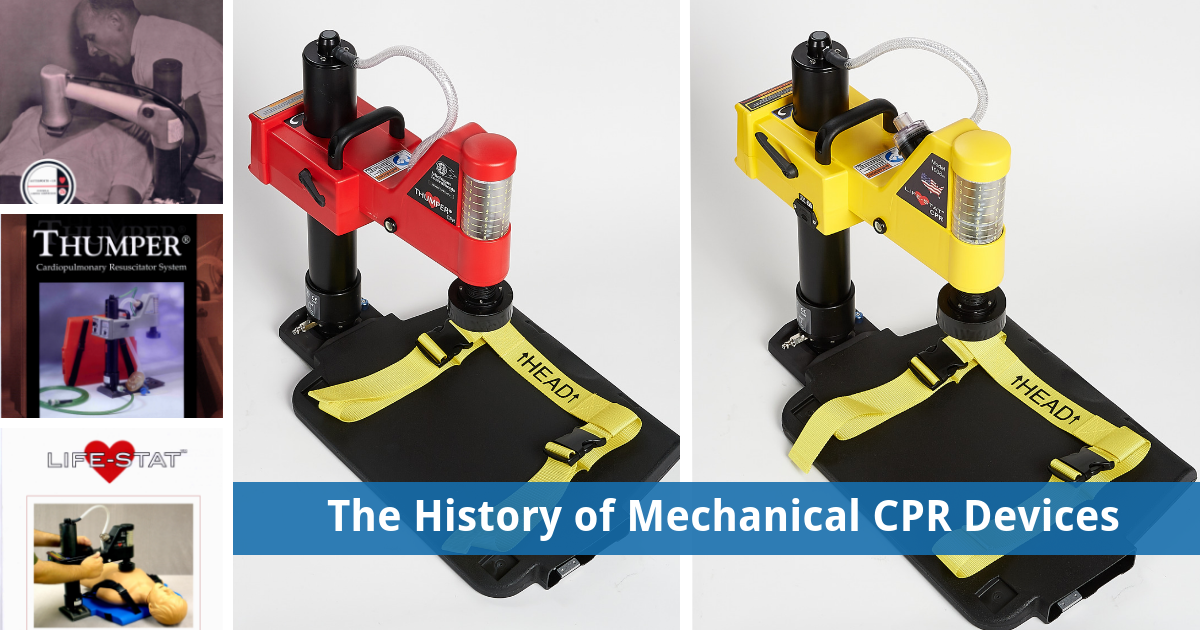
These Mechanical CPR Devices Offer 120 Compressions per Minute, Ideal for Hospital Settings
In October of 2015, the American Heart Association announced new guidelines for Cardiopulmonary Resuscitation (CPR.) They stated that quick action and more teamwork is key to saving more lives. We agree.
The American Heart Association guidelines, published in Circulation: Journal of the American Heart Association, highlight how quick action, proper training, use of technology and coordinated efforts can increase survival from cardiac arrest.
As you know, cardiac arrest is a leading cause of death in the US and in other countries around the world. When the heart suddenly stops or malfunctions, blood flow is interrupted to the patient which causes death within minutes. Survival often depends on immediate CPR, starting with bystanders.
- More than 326,000 people experience cardiac arrest outside of a hospital each year.
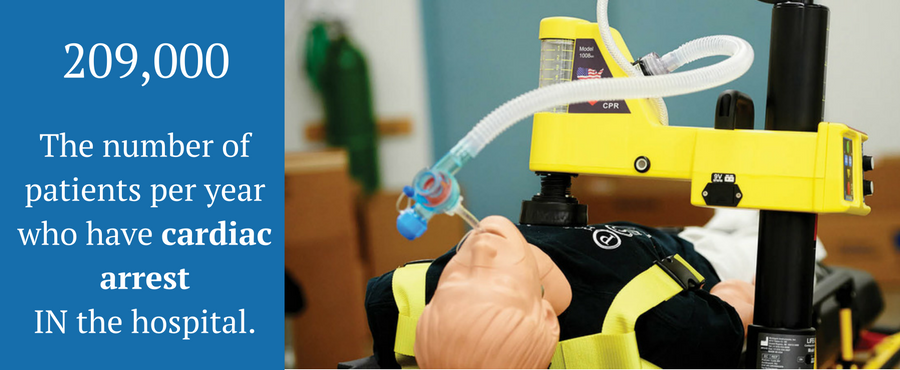
- Another 209,000 people have a cardiac arrest while in the hospital.
CPR training is a fundamental part of care within healthcare systems. Still, it has been shown that resuscitation skills can decline within a few months. While frequent training is important, the use of mechanical CPR devices can also free up physicians to provide other critical care to the patient.
“The 2015 update calls for integrated systems of care that participate in continuous quality improvement and that provide a common framework for both community and healthcare-based resuscitation systems,” said Clifton Callaway, M.D., Ph.D., chair of the AHA’s Emergency Cardiovascular Care committee and professor of emergency medicine at the University of Pittsburgh. “We must create a culture of action that benefits the entire community in which it operates, inside and outside the hospital setting.” – via heart.org
2015 AHA CPR Guidelines
The 2015 AHA Guidelines include increased limits for compressions per minute (100 to 120 cpm) and ventilations (10 breaths per minute (bpm)). Healthcare professionals in a situation requiring CPR are also encouraged to check for breath and pulse at the same time, to try and reduce the time to first compression.
Michigan Instruments monitors guideline changes and compliance requirements for our devices constantly. As a result, we have improved our Life-Stat mechanical CPR device options based on these guidelines. We have separate devices available that can deliver 120 compressions per minute or 100 compressions per minute at 10 bpm.
Life-Stat Mechanical CPR Device in Hospital Settings
The Life-Stat mechanical CPR device offers many advantages for use in the hospital setting including quick set up, the option to include ventilation with chest compressions, and most importantly, hands free operation giving physicians the ability to focus on other aspects of emergency care for the patient.
Learn more about our Life-Stat Mechanical CPR Device here, or contact us with your questions.
To read more about the 2015 AHA Guidelines, visit https://eccguidelines.heart.org/index.php/american-heart-association/