
Michigan Instruments News & Insights
 https://www.michiganinstruments.com/wp-content/uploads/2025/02/Understanding-the-Difference-Test-Lungs-vs.-Lung-Simulators.png?ver=1786039050
630
1200
red66
https://www.michiganinstruments.com/wp-content/uploads/2018/11/RCTCLEARBLACK_large.png?ver=1786039050
red662025-02-24 16:38:252025-10-17 17:58:28Understanding the Difference: Test Lungs vs. Lung Simulators
 https://www.michiganinstruments.com/wp-content/uploads/2025/02/What-to-Do-in-a-Cardiac-Emergency-A-Step-by-Step-Guide.png?ver=1786039050
630
1200
red66
https://www.michiganinstruments.com/wp-content/uploads/2018/11/RCTCLEARBLACK_large.png?ver=1786039050
red662025-02-12 16:32:312025-03-14 16:29:30What to Do in a Cardiac Emergency: A Step-by-Step Guide
 https://www.michiganinstruments.com/wp-content/uploads/2025/01/The-Anatomy-of-a-Lung-Simulator-How-It-Works.png?ver=1786039050
630
1200
red66
https://www.michiganinstruments.com/wp-content/uploads/2018/11/RCTCLEARBLACK_large.png?ver=1786039050
red662025-01-24 14:22:522025-01-24 14:28:05The Anatomy of a Lung Simulator: How It Works
 https://www.michiganinstruments.com/wp-content/uploads/2025/01/MII-Blog-Headers-95.png?ver=1786039050
866
1650
red66
https://www.michiganinstruments.com/wp-content/uploads/2018/11/RCTCLEARBLACK_large.png?ver=1786039050
red662025-01-10 14:50:332025-01-10 14:50:33Empowering Heroes: How CPR Devices Improve Outcomes for Healthcare Professionals and First Responders
 https://www.michiganinstruments.com/wp-content/uploads/2024/12/MII-Blog-Headers-94.png?ver=1786039050
866
1650
red66
https://www.michiganinstruments.com/wp-content/uploads/2018/11/RCTCLEARBLACK_large.png?ver=1786039050
red662024-12-20 15:27:502024-12-20 15:27:50Improving Veteran Outcomes: Advanced Lung Simulators in VA Respiratory Programs
 https://www.michiganinstruments.com/wp-content/uploads/2024/12/MII-Blog-Headers-93.png?ver=1786039050
866
1650
red66
https://www.michiganinstruments.com/wp-content/uploads/2018/11/RCTCLEARBLACK_large.png?ver=1786039050
red662024-12-06 19:15:422024-12-06 19:15:42Incorporating Wellness into Your Holiday Appreciation
 https://www.michiganinstruments.com/wp-content/uploads/2024/11/MII-Blog-Headers-92.png?ver=1786039050
787
1500
red66
https://www.michiganinstruments.com/wp-content/uploads/2018/11/RCTCLEARBLACK_large.png?ver=1786039050
red662024-11-18 20:35:072024-11-18 20:35:07When Every Compression Matters, Nothing Beats Our Automated CPR Devices
 https://www.michiganinstruments.com/wp-content/uploads/2024/11/MII-Blog-Headers-91.png?ver=1786039050
866
1650
red66
https://www.michiganinstruments.com/wp-content/uploads/2018/11/RCTCLEARBLACK_large.png?ver=1786039050
red662024-11-11 21:17:502024-11-11 21:17:50How Lung Simulators Help Researchers Study Rare Respiratory Diseases
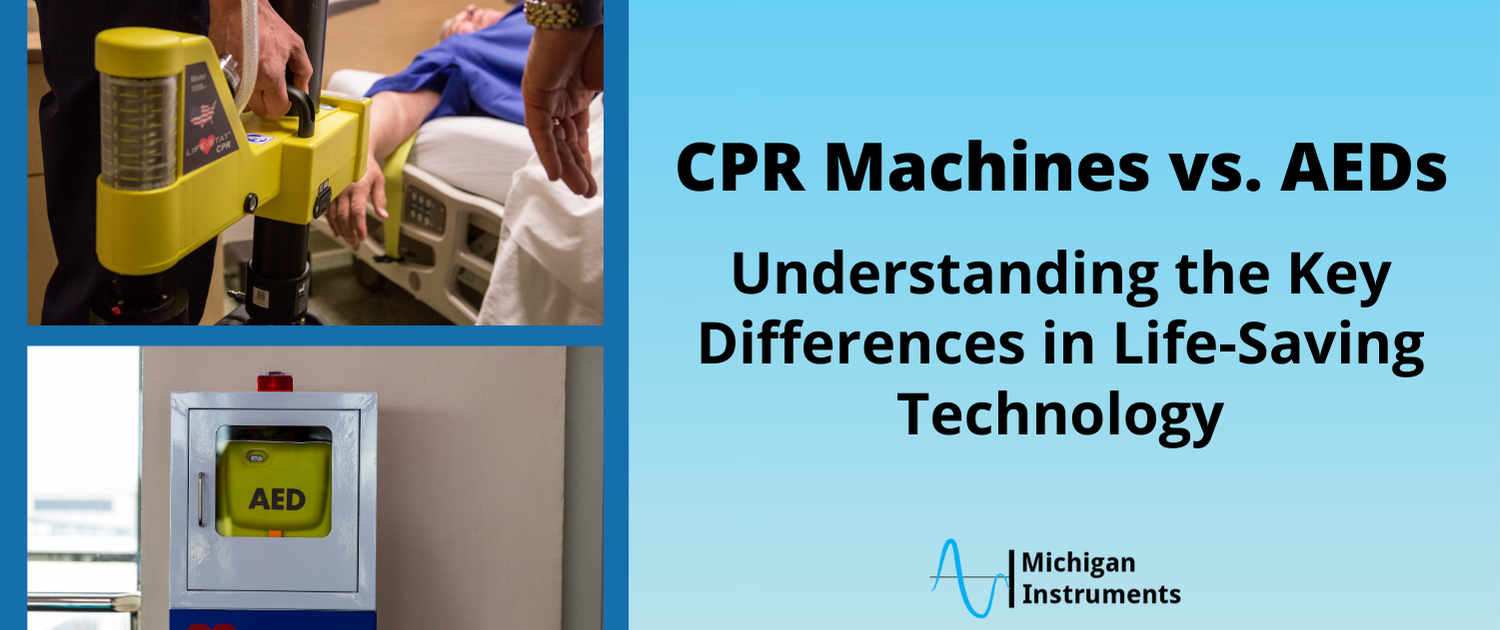 https://www.michiganinstruments.com/wp-content/uploads/2024/10/MII-Blog-Headers-90.png?ver=1786039050
787
1500
red66
https://www.michiganinstruments.com/wp-content/uploads/2018/11/RCTCLEARBLACK_large.png?ver=1786039050
red662024-10-23 14:22:542024-10-23 14:22:54CPR Devices vs. AEDs: Exploring the Critical Distinctions in Emergency Response Tools
 https://www.michiganinstruments.com/wp-content/uploads/2024/10/MII-Blog-Headers-89.png?ver=1786039050
866
1650
red66
https://www.michiganinstruments.com/wp-content/uploads/2018/11/RCTCLEARBLACK_large.png?ver=1786039050
red662024-10-11 14:51:002025-01-17 15:25:59What Makes Michigan Instruments Training Test Lung and PneuView Systems The Perfect Training Tools
https://www.michiganinstruments.com/wp-content/uploads/2025/02/Understanding-the-Difference-Test-Lungs-vs.-Lung-Simulators.png?ver=1786039050
630
1200
red66
https://www.michiganinstruments.com/wp-content/uploads/2018/11/RCTCLEARBLACK_large.png?ver=1786039050
red662025-02-24 16:38:252025-10-17 17:58:28Understanding the Difference: Test Lungs vs. Lung Simulators
https://www.michiganinstruments.com/wp-content/uploads/2025/02/What-to-Do-in-a-Cardiac-Emergency-A-Step-by-Step-Guide.png?ver=1786039050
630
1200
red66
https://www.michiganinstruments.com/wp-content/uploads/2018/11/RCTCLEARBLACK_large.png?ver=1786039050
red662025-02-12 16:32:312025-03-14 16:29:30What to Do in a Cardiac Emergency: A Step-by-Step Guide
https://www.michiganinstruments.com/wp-content/uploads/2025/01/The-Anatomy-of-a-Lung-Simulator-How-It-Works.png?ver=1786039050
630
1200
red66
https://www.michiganinstruments.com/wp-content/uploads/2018/11/RCTCLEARBLACK_large.png?ver=1786039050
red662025-01-24 14:22:522025-01-24 14:28:05The Anatomy of a Lung Simulator: How It Works
https://www.michiganinstruments.com/wp-content/uploads/2025/01/MII-Blog-Headers-95.png?ver=1786039050
866
1650
red66
https://www.michiganinstruments.com/wp-content/uploads/2018/11/RCTCLEARBLACK_large.png?ver=1786039050
red662025-01-10 14:50:332025-01-10 14:50:33Empowering Heroes: How CPR Devices Improve Outcomes for Healthcare Professionals and First Responders
https://www.michiganinstruments.com/wp-content/uploads/2024/12/MII-Blog-Headers-94.png?ver=1786039050
866
1650
red66
https://www.michiganinstruments.com/wp-content/uploads/2018/11/RCTCLEARBLACK_large.png?ver=1786039050
red662024-12-20 15:27:502024-12-20 15:27:50Improving Veteran Outcomes: Advanced Lung Simulators in VA Respiratory Programs
https://www.michiganinstruments.com/wp-content/uploads/2024/12/MII-Blog-Headers-93.png?ver=1786039050
866
1650
red66
https://www.michiganinstruments.com/wp-content/uploads/2018/11/RCTCLEARBLACK_large.png?ver=1786039050
red662024-12-06 19:15:422024-12-06 19:15:42Incorporating Wellness into Your Holiday Appreciation
https://www.michiganinstruments.com/wp-content/uploads/2024/11/MII-Blog-Headers-92.png?ver=1786039050
787
1500
red66
https://www.michiganinstruments.com/wp-content/uploads/2018/11/RCTCLEARBLACK_large.png?ver=1786039050
red662024-11-18 20:35:072024-11-18 20:35:07When Every Compression Matters, Nothing Beats Our Automated CPR Devices
https://www.michiganinstruments.com/wp-content/uploads/2024/11/MII-Blog-Headers-91.png?ver=1786039050
866
1650
red66
https://www.michiganinstruments.com/wp-content/uploads/2018/11/RCTCLEARBLACK_large.png?ver=1786039050
red662024-11-11 21:17:502024-11-11 21:17:50How Lung Simulators Help Researchers Study Rare Respiratory Diseases
https://www.michiganinstruments.com/wp-content/uploads/2024/10/MII-Blog-Headers-90.png?ver=1786039050
787
1500
red66
https://www.michiganinstruments.com/wp-content/uploads/2018/11/RCTCLEARBLACK_large.png?ver=1786039050
red662024-10-23 14:22:542024-10-23 14:22:54CPR Devices vs. AEDs: Exploring the Critical Distinctions in Emergency Response Tools
https://www.michiganinstruments.com/wp-content/uploads/2024/10/MII-Blog-Headers-89.png?ver=1786039050
866
1650
red66
https://www.michiganinstruments.com/wp-content/uploads/2018/11/RCTCLEARBLACK_large.png?ver=1786039050
red662024-10-11 14:51:002025-01-17 15:25:59What Makes Michigan Instruments Training Test Lung and PneuView Systems The Perfect Training Tools