facts about cpr

Cardiopulmonary Resuscitation, better known simply as CPR, isn’t just a medical procedure; it’s a beacon of hope. 

There are over 350,000 cardiac arrests occurring outside the hospital annually in the United States alone. The need for quick and effective CPR has never been more critical. 

However, amidst the importance of CPR, many myths and misconceptions have emerged, casting shadows on the clarity of the practice. Below, we outline important facts about CPR and dispel some common misconceptions surrounding CPR.

Highlighting The Impact of Bystander CPR 

Bystander CPR significantly increases survival of cardiac arrest, emphasizing the crucial role of immediate intervention by good samaritans in saving lives. Of the 350,000 yearly out-of-hospital cardiac arrests (OHCA), The American Heart Association has found that the most common occurrence is in homes or residences (73.4%), followed by public settings (16.3%) and nursing homes (10.3%). 

These statistics highlight the importance of people of all walks of life understanding and performing CPR, as emergencies can happen anywhere at any time. If performed immediately, CPR can double or triple the chance of survival from an out of hospital cardiac arrest.

Statistics Support the Importance of Swift CPR

Did you know that in one year alone, 436,000 Americans die from cardiac arrest

Globally, cardiac arrest claims more lives than colorectal cancer, breast cancer, prostate cancer, influenza, pneumonia, auto accidents, HIV, firearms, and house fires combined.

The impact of immediate CPR cannot be overstated. If performed promptly, CPR can double or even triple the chances of survival of someone suffering an out-of-hospital cardiac arrest. 

This again highlights the critical role of bystanders in bridging the gap between life and death, and emphasizes the need for widespread CPR training and awareness.

Myths Surrounding CPR Could Cost Someone’s Life

There are many myths and misconceptions about performing CPR, and with so many heart attacks and cardiac events happening outside of the hospital, believing these myths could cost a life. 

Myth 1: Only Medical Professionals Can Perform CPR Effectively.

It is a common misconception that only medical professionals can perform CPR effectively. 

However, the fact is that bystander CPR significantly increases survival rates. Providing immediate intervention plays a crucial role in saving lives.

Myth 2: CPR Guarantees the Revival of the Heart.

One of the most important facts about CPR is that it aims to sustain the function of vital organs and maintain blood circulation until advanced medical care becomes available—but there is no guarantee that the heart will recover. 

This further highlights the importance of quick and efficient CPR to offer the highest likelihood of survival. 

Myth 3: Incorrect CPR Technique Can Cause Harm.

The truth is that performing CPR, correctly or incorrectly, can cause damage to the ribs. However, the risk of harm from utilizing incorrect CPR techniques is greatly outweighed by the potential benefits of immediate intervention.

Myth 4: CPR Requires Mouth-to-Mouth Resuscitation.

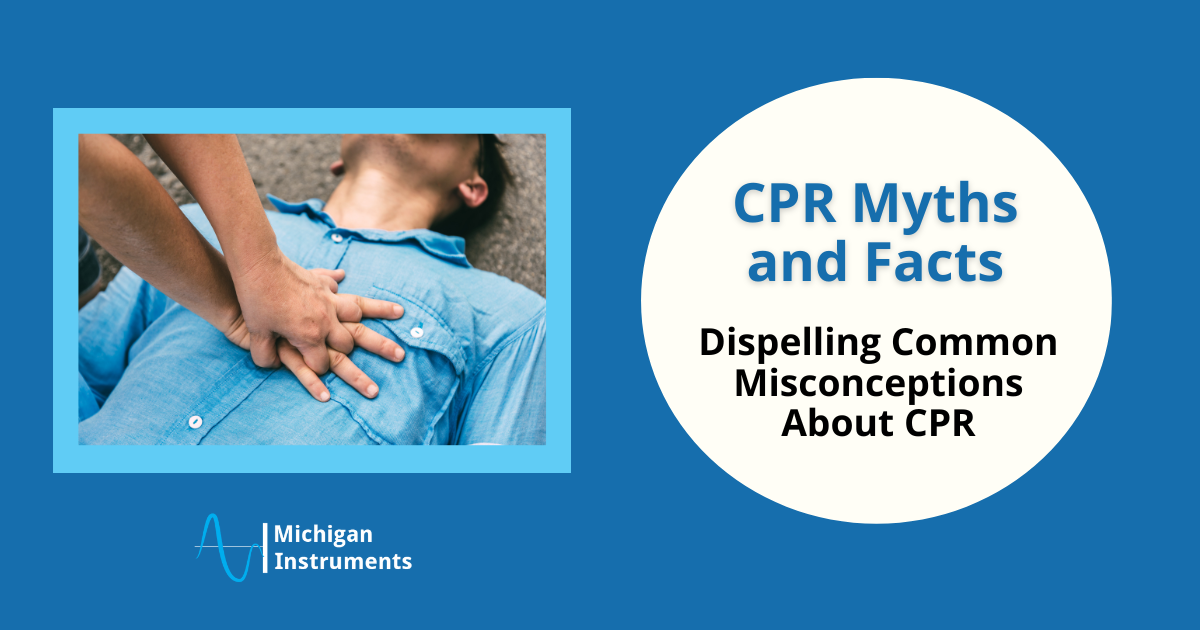
This is a common myth, but it is important to understand that hands-only CPR offers a simplified yet effective approach, especially for adult victims of cardiac arrest. Using a hands-only approach to CPR reduces barriers to bystander intervention.

Myth 5: CPR is Exclusive to Adults.

Cardiac arrest can affect individuals of all ages, so it’s important to know that CPR techniques can be tailored to different age groups. 

Being familiar with the differences between adult and child CPR techniques is crucial to optimize outcomes for the individual experiencing a cardiac episode, regardless of age.

Performing CPR on a child differs from adults due to anatomical and physiological distinctions. With a child, emphasis on proper compression depth and the use of breaths is crucial.

Myth 6: You Should Cease CPR if No Signs of Improvement are Evident.

Signs of improvement can be difficult to catch, so performing continuous CPR is crucial. You should always continue performing CPR until professional medical assistance arrives, as the sustained circulation of CPR enhances the likelihood of survival, even in the absence of immediate improvement.

The Truth: CPR Saves Lives

By dispelling common misconceptions surrounding CPR and spreading the truth about these myths, we can pave the way for more informed and empowered communities who are ready to respond effectively in life-threatening situations. 

The truth is that in an emergency, every second counts, and each action holds the potential to save a life.

Michigan Instruments provides CPR chest compression machines that deliver the highest quality care during the treatment of cardiac arrest. They are easy to use and are light enough to be easily incorporated into a hospital’s “crash cart” set up. 

Setting up the unit takes seconds and requires minimal interruption to manual CPR. With the Life-Stat, the chest compressor and ventilator are built into the unit, providing your medical team with a totally hands-free, automated CPR solution.

With the only CPR device on the market today that meets the AHA CPR guidelines for both chest compression and ventilation, trust that your patients are always in good hands with Michigan Instruments.

CPR Devices You Can Count On. Learn More.

Michigan Instruments provides state-of-the-art CPR Devices that can revolutionize the way your facility operates. These innovations enhance medical training and emergency response tactics, ensuring proficiency and quick response times. 


Contact Michigan Instruments to learn how our devices can assist your facility with saving lives.
doctors in rural areas

In rural landscapes, where communities often find themselves geographically isolated, healthcare becomes a vital resource. Rural area doctors play a crucial role in ensuring the well-being of these communities. 

Operating in environments with unique challenges, these types of healthcare professionals may require a special set of skills and strategies tailored to the rural context. 

In this blog, we’ll explore some essential tips for doctors in rural areas.

1. Community Engagement and Cultural Sensitivity

Rural communities often have distinct cultures and close-knit social structures. Building strong connections with the community is key to understanding their needs and earning their trust. 

Being culturally sensitive helps doctors provide more personalized and effective care—fostering a sense of comfort among patients.

2. Versatility and Broad Skill Set

In rural settings, doctors may have to treat a diverse range of medical cases, largely due to limited access to specialized care doctors. These doctors need to be versatile and possess a broad skill set. This allows them to handle a variety of medical conditions, from basic primary care to emergency situations.

3. Emergency Preparedness

In remote locations, emergency response times tend to be longer than in urban areas. Rural doctors must do their best to be as prepared as possible for emergencies, equipped with the skills to stabilize patients before they can be transferred to another facility. 

Maintaining updated emergency kits and conducting regular drills can enhance readiness.

4. Cultivating Strong Relationships with Local Health Workers

Like any other healthcare system, collaboration is key in rural areas. Building strong relationships with local nurses, paramedics, and other healthcare workers enhances the overall quality of care. 

These connections can prove invaluable in emergencies and day-to-day patient management.

5. Understanding Socioeconomic Factors

Rural communities often face unique socio-economic challenges that can impact health outcomes. Being aware of these factors can allow doctors to tailor their advice and treatment plans to the specific needs and resources of the community. 

This includes considering financial constraints, transportation issues, and access to healthy food options.

6. Patient Education and Preventive Care

Preventive care is especially important in rural areas since access to healthcare resources may be limited. 

Doctors in rural areas should prioritize patient education, emphasizing the importance of healthy lifestyle choices and early detection of common health issues.

7. Self-Care and Professional Support

Working in rural areas can be emotionally and physically demanding. Rural doctors should prioritize self-care to avoid burnout. 

Seeking support networks and participating in ongoing education opportunities can provide a sense of community and help manage the stressors associated with rural healthcare.

8. Telemedicine and Technology Integration

With the geographical challenges of rural areas, implementing technology is essential for overcoming distance barriers. 

Telemedicine can be a valuable tool for remote consultations, follow-ups, prescription refills, and even education. Rural doctors should familiarize themselves with digital platforms and ensure their patients have access to the necessary technology.

Research into other kinds of technology may be the first step toward implementing new systems that can change the way your facility practices healthcare. 

Michigan Instruments’ CPR devices are the most cost-effective devices on the market, which can be very beneficial to facilities that may need an extra hand.

For over 55 years, we’ve taken pride in our automated CPR machines that provide high-quality, uninterrupted CPR. Our Life-Stat and Thumper provide external chest compressions, giving your patient the best chance for survival and giving your healthcare staff the support they need.

Want to Learn More About Integrating New Medical Technology? Why Not Give Our Devices a Try?

Hospitals that use progressive technology like ours can enhance patient engagement in rural areas, improve quality of care, and optimize costs. 

Our CPR devices can be your first step toward improving your hospital for both your patients and your staff. 

Learn why so many facilities across the country (and around the world) trust our devices. Contact us to learn more about the numerous benefits our devices offer!

automatic cpr

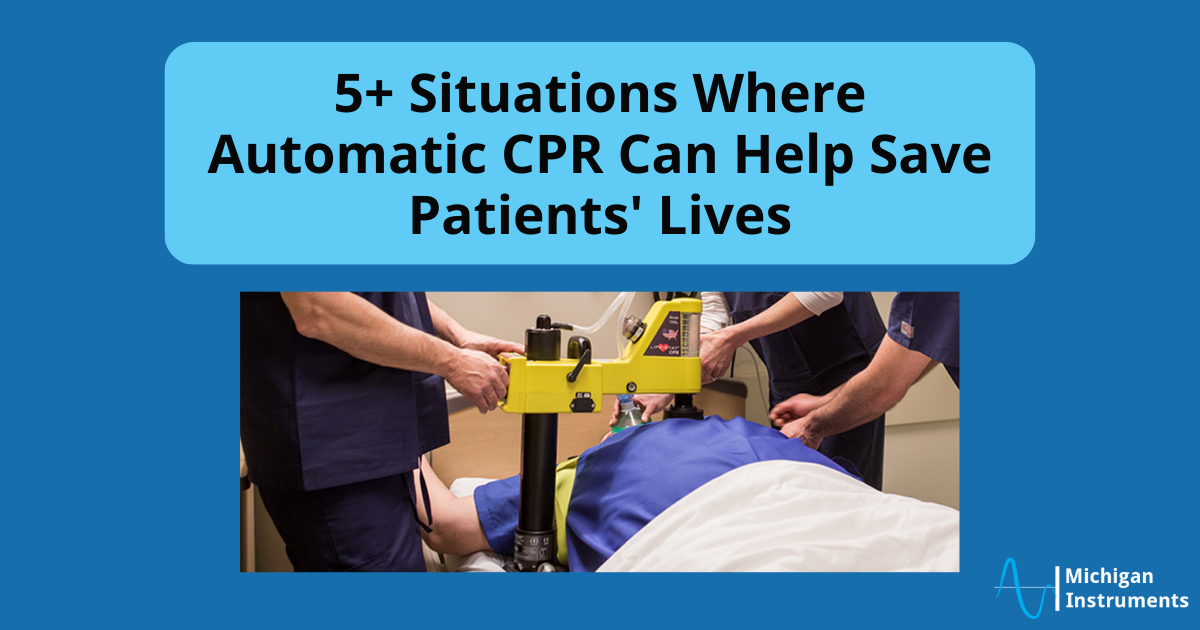
The debate about manual CPR vs automatic (“automatic”) CPR is one that has gone on for decades. While we know there are several advantages to automatic CPR in general, the outcome for patients with heart disease and heart failure who undergo any type of CPR are not always successful. 

This is due to the fact that CPR cannot remedy the underlying cause of the heart stoppage. Still, there are conditions where automatic CPR is beneficial to patients and increases odds of survival. This is the case when the underlying cause of the heart stoppage is not related to cardiovascular disease or the heart itself.

Keep reading to understand conditions where automatic CPR is beneficial to patient survival.

1. Prolonged CPR Situations

In many cases, traditional manual CPR is physically demanding for healthcare providers. When a patient requires prolonged resuscitation efforts, fatigue can set in, leading to decreased compression depth and rate, both of which are critical factors in effective CPR. 

Automatic CPR devices, on the other hand, can maintain consistent compression quality and rate over extended periods, ensuring that patients receive high-quality chest compressions without interruption.

2. Inconsistent Manual Compressions

One of the key challenges with manual CPR is maintaining consistent chest compressions. Healthcare providers may unintentionally vary compression depth and rate, even with training and experience. 

Automatic CPR devices are designed to deliver precise, consistent compressions, minimizing the risk of human error and improving overall patient outcomes.

3. Transporting Patients

During critical care scenarios where patients need to be moved, such as from a home to an ambulance or between hospital departments, maintaining uninterrupted CPR is vital. 

Automatic CPR devices can be safely and efficiently used during patient transport, ensuring that chest compressions remain consistent and effective throughout the journey.

4. High-Risk Settings

Certain situations, such as cardiac arrests in helicopters, during MRI scans, or in cramped spaces where it’s difficult to provide manual CPR, require specialized solutions. Automatic CPR devices can be particularly advantageous in these high-risk settings. 

They offer the flexibility and stability required to administer high-quality chest compressions while accommodating the unique constraints of each environment.

5. Controlled Environments

In some cases, a controlled environment, like an operating room, may benefit from automatic CPR devices due to the need for precise and consistent chest compressions during surgical procedures or interventions. 

These devices can be synchronized with other equipment and procedures, ensuring optimal patient care.

6. Standardization of Care

Standardization of care is essential for improving patient outcomes. Automatic CPR devices provide a consistent and standardized approach to chest compressions, regardless of the provider’s experience or fatigue level. 

This consistency enhances the quality of care delivered to patients, increasing their chances of survival.

7. Provide Time to Correct Root Cause of Heart Stoppage

Heart conditions require additional treatments to correct the root cause of the heart stoppage. While doctors are performing these treatments, an automatic CPR device can maintain optimum compressions and perfusion without interruption. 

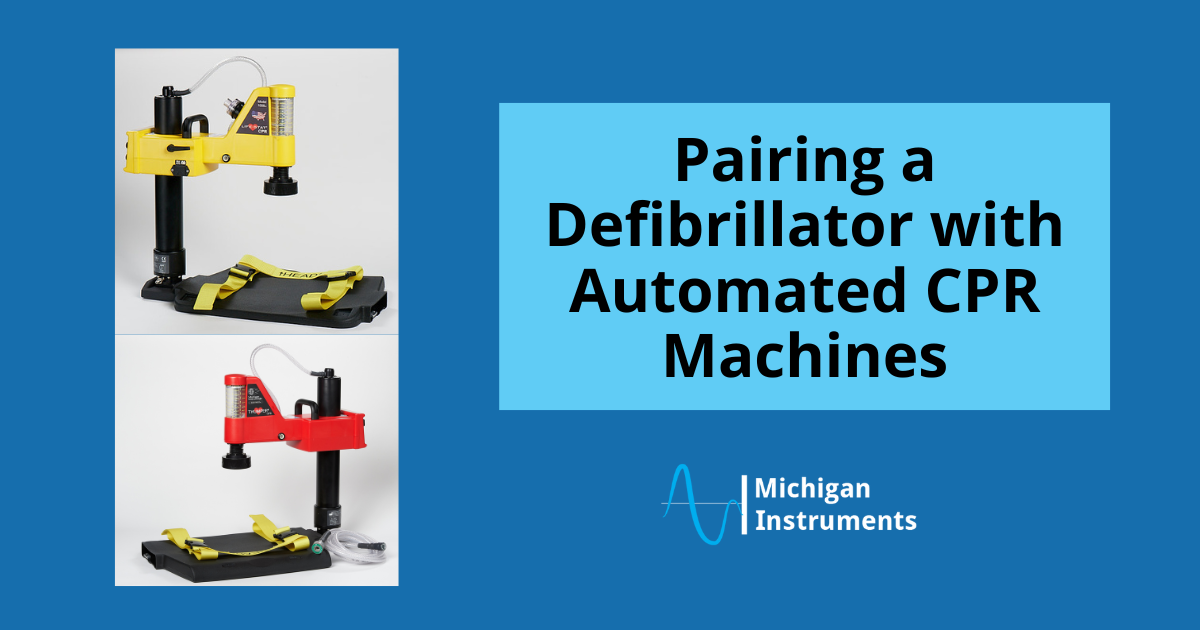
Michigan Instruments’ Life-Stat Automatic CPR device also is open by design to allow doctors easier access to the patient’s chest as they administer treatment and care such as defibrillation, or relief of a pneumothorax by a chest tube. 

The Life-Stat is the only device available with a built-in ventilator. This allows the device to administer breaths to the patient per current American Heart Association (AHA) CPR Guidelines

Doctors and caregivers are able to work hands free to treat the patient’s symptoms— knowing that patients are getting proper AHA specified compressions and coordinated ventilation.

Many hospitals may think that automatic CPR devices belong only in the Emergency Department, but these devices can be used throughout different units including cardiovascular care areas, ICU, step down care units and more. 

Some hospitals have found that deploying the Life-Stat to any code blue situation (i.e. heart stoppage) can offer improved results including better cerebral perfusion.

Interested to Learn More? Reach Out Today.

Automatic CPR devices have emerged as a crucial tool in specific situations where consistent and high-quality chest compressions are paramount. 

Our CPR devices can enhance patient survival rates, particularly in prolonged CPR situations, during patient transport, in high-risk settings, and wherever standardization of care and quality data collection are essential.

Learn more about our CPR devices or contact us today with any questions you have about its application in your facility’s setting.

advanced medical devices

In recent years, healthcare systems around the world have been undergoing a major transformation. One of the most significant changes has been the shift from traditional fee-for-service reimbursement models to value-based care. 

Under this new paradigm, hospital funding is increasingly tied to patient outcomes, quality of care, and efficiency. To succeed in this evolving landscape, hospitals are turning to smart hospital technology as a powerful ally. 

In this blog, we will explore how technology can boost your hospital’s funding by improving outcomes, reducing costs, and enhancing overall healthcare delivery.

1. Enhanced Patient Engagement

Technology has revolutionized the way hospitals engage with patients. With the popularity of cell phones and the internet, patients are connected and informed now, more than ever before. Hospitals can leverage this connectivity to foster better patient engagement. 

Electronic health records (EHRs) and patient portals allow patients to access their medical records, schedule appointments, and communicate with their healthcare providers in a way that is easy and more convenient than the traditional methods of the past.

This enhanced engagement can lead to better adherence to treatment plans, resulting in healthier outcomes.  This can boost funding through performance-based incentives and shared savings programs.

2. Telemedicine and Remote Monitoring

Telemedicine has emerged as a game-changer for healthcare. Through video consultations and remote monitoring tools, healthcare providers can extend their reach beyond the hospital’s physical walls. 

Telemedicine increases access to patient care, and results in higher patient satisfaction and improved outcomes. 

Health systems that embrace telemedicine technologies are more likely to receive favorable reimbursements and financial incentives for their innovative approaches to care delivery.

3. Predictive Analytics and Machine Learning

Predictive analytics and machine learning are transforming the way hospitals manage patient populations. These technologies can identify high-risk patients and intervene early to prevent complications or readmissions. 

By analyzing large datasets, hospitals can predict disease outbreaks, optimize resource allocation, and personalize treatment plans. 

Improved patient risk stratification and resource allocation can lead to cost savings and improved outcomes, making hospitals more attractive to payers and investors.

4. Quality Improvement and Population Health Management

Hospitals are increasingly held accountable for patient outcomes and quality of care. To meet these demands, smart hospital technology is essential. 

Population health management platforms help hospitals track and manage the health of their communities by aggregating and analyzing data from various sources. 

Quality improvement initiatives can be more data-driven and efficient, resulting in better patient outcomes and higher reimbursement rates.

5. Interoperability

Interoperability is the ability of healthcare systems and software to exchange and use health information seamlessly. 

The adoption of interoperable systems can reduce duplicative tests, enhance care coordination, and prevent medical errors. Improved interoperability can boost hospital funding through reduced costs and better patient outcomes. 

This can also position hospitals favorably in the eyes of regulatory bodies that often incentivize the adoption of interoperable systems.

6. Data Security and Privacy

While technology can undoubtedly boost funding, it’s crucial to address the cybersecurity and privacy concerns that come with the digital transformation. 

Data breaches and privacy violations can result in financial penalties and damage to a hospital’s reputation. Robust cybersecurity measures and compliance with regulations, such as HIPAA, are essential to safeguard patient data and maintain trust. 

A secure hospital environment is more likely to attract patients and gain the trust of regulatory bodies and insurers.

7. Medical Technology Can Help Save Lives

In today’s healthcare landscape, smart hospital technology plays a pivotal role in both saving lives and boosting a hospital’s funding. CPR machines are no exception. 

These essential tools enhance patient care, increasing the chances of survival for those in critical condition. Moreover, they improve the hospital’s reputation, attracting more patients and referrals. 

By investing in state-of-the-art CPR machines, hospitals can demonstrate their commitment to patient well-being and safety, ultimately leading to higher patient satisfaction scores. This, in turn, can secure better reimbursements and grant access to more funding opportunities, ensuring the hospital remains financially resilient while providing superior care.

Michigan Instruments provides state of the art CPR devices that provide consistent external chest compression, giving your patients their best chance for survival. Our CPR chest compression machines perform effective, customized, hands-free CPR and never get tired. 

They allow medical professionals to concentrate on other life-saving procedures and provide improved access to the patient, and rescuers to be more safely positioned, and less susceptible to personal injury.

Additionally, our devices are high-quality and the best value on the market today, and they afford the lowest acquisition cost in the market and a low operating cost.

Find Out Why Healthcare Facilities Around the World Choose Us

Hospitals that embrace smart hospital technology can enhance patient engagement, improve the quality of care, and optimize costs. In doing so, they position themselves to benefit from performance-based incentives, shared savings programs, and a positive reputation. 

Our devices can be your first step toward improving your hospital for both your patients and your staff. 

Contact us today to learn about the numerous benefits our devices can offer.

september is national preparedness month

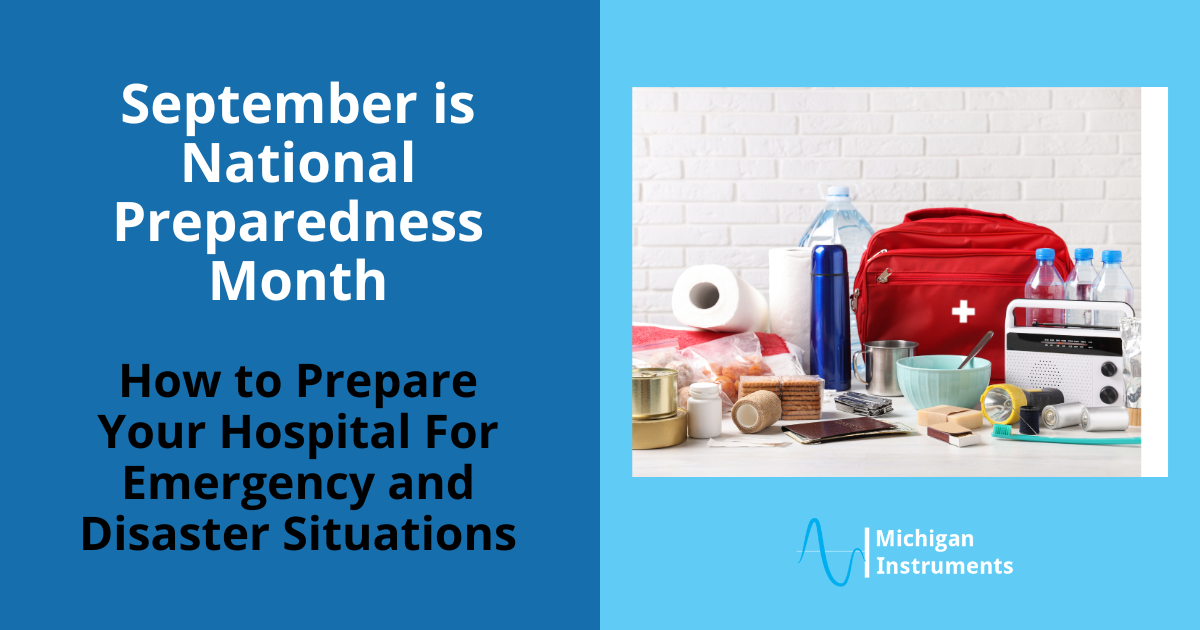
First launched by the Federal Emergency Management Agency (FEMA), National Preparedness Month occurs every September with the goal to raise awareness about the importance of being prepared for disasters and emergencies.

For hospitals, preparedness is not just a yearly observance, but an ongoing commitment to safeguarding the health and well-being of their patients, staff, and communities.

No one can predict when a disaster occurs or how severe the circumstances will be. However, you can take precaution by learning how to prepare your hospital to minimize danger. Keep reading to learn how.

The Importance of Hospital Preparedness

Hospitals are hubs of healthcare delivery, and their ability to function during emergencies can be a matter of life and death. 

Whether it’s a natural disaster like a hurricane, a public health crisis like a pandemic, or a mass casualty event, hospitals must remain operational to meet the needs of their communities. 

Here’s why hospital preparedness is crucial:

1. Lifesaving Care

Hospitals provide critical medical care, and during emergencies, the demand for healthcare services often surges. Prepared hospitals can continue to offer essential treatments, surgeries, and emergency care to those in need.

2. Community Resilience 

Hospitals are an integral part of community resilience. When hospitals are prepared, they can help stabilize a situation, provide a safe haven for patients, and support recovery efforts.

3. Resource Conservation

Prepared hospitals can manage their resources more efficiently, ensuring that supplies, personnel, and equipment are available where and when needed. This helps prevent waste and ensures a sustainable response.

4. Maintaining Public Trust

During a crisis, people look to hospitals for help and guidance. A prepared hospital maintains public trust by demonstrating its ability to respond effectively, thereby reducing panic and uncertainty.

Key Steps to Hospital Preparedness in Emergency & Disaster Situations

1. Risk Assessment

Begin by conducting a thorough risk assessment to identify potential hazards and vulnerabilities specific to your hospital’s location. Consider factors like natural disasters, public health emergencies, and infrastructure vulnerabilities.

2. Emergency Plans and Policies

Develop comprehensive emergency plans and policies that address various scenarios. These should include evacuation plans, communication strategies, and guidelines for resource allocation.

3. Training and Education

Regularly train hospital staff in emergency response protocols. Ensure that everyone understands their roles and responsibilities during a crisis. Conduct drills and simulations to practice responses.

4. Resource Stockpiling

Stockpile essential medical supplies, including medications, personal protective equipment (PPE), and medical equipment. Maintain a robust inventory management system to monitor and rotate supplies regularly.

5. Communication Systems

Establish reliable communication systems, both within the hospital and with external partners such as local emergency management agencies, other healthcare facilities, and first responders.

6. Technology and Data Management

Leverage technology for real-time data monitoring and reporting. Electronic health records (EHRs) can help ensure patient information is accessible even during power outages.

7. Patient and Family Engagement

Educate patients and their families on what to expect during emergencies and how to prepare. Provide clear instructions for accessing care and information during a crisis.

8. Invest in Life-Saving Equipment

During an emergency, it can be difficult to manage stress and maintain the energy it takes to look after everyone around you. In these cases, smart medical devices can be your saving grace. Since September is National Preparedness Month, it’s the perfect time to begin preparing your hospital with such equipment.

We provide high quality medical devices that can assist your hospital staff in emergency scenarios. With quick, easy and stable chest placement and the ability to fit larger patients than other devices, our Life-Stat and Thumper CPR devices are lightweight and easy to use when patients are in cardiac arrest. 

They offer many advantages in an emergency setting including easy and fast set-up, the option to include ventilation with chest compressions, and most importantly, hands-free operation. That way, your staff will have the ability to focus on other life-saving measures.

There’s a reason why so many healthcare facilities across the country (and the world) use our devices. They’re a tried and true, one-of-a-kind solution during emergency situations; they can help calm the situation and contribute to saving lives.

Our Automated CPR Devices Save Lives. Learn How.

Take the extra step toward 24/7 safety in your health care facility. Our devices allow medical professionals to concentrate on other life-saving procedures and provide improved access to the patient. 

Learn more about our devices and all of the ways they can assist your healthcare staff.

Contact us today.

automated cpr devices

In the world of emergency medical response, every second counts. When a sudden cardiac arrest (SCA) occurs, immediate action is crucial to increase the chances of survival.

Defibrillators have long been hailed as life-saving devices, but recent advancements in technology have introduced a dynamic duo that can potentially save even more lives: pairing defibrillators with automated CPR devices.

Below, we’ll discuss the benefits and importance of combining these two life-saving devices.

The Challenge of Sudden Cardiac Arrest

SCA is a leading cause of death globally, claiming millions of lives each year. It can happen to anyone, anywhere, regardless of age or health status.

When an SCA occurs, the heart unexpectedly stops beating effectively, depriving the brain and other vital organs of oxygen. Without prompt intervention, the chance of survival diminishes rapidly.

The Role of Defibrillators

Defibrillators are designed to deliver an electric shock to the heart, known as defibrillation, to restore a normal heart rhythm in the event of a sudden cardiac arrest. These devices are used in hospitals and for medical rescue.

CPR helps maintain blood circulation, buying time until defibrillation can occur.

Manual CPR can be physically demanding and less consistent in terms of rate and depth of chest compressions, making the integration of automated CPR machines a game-changer.

Michigan Instruments’ Automated CPR Devices

Michigan Instruments pioneered Automated CPR devices and has been providing consistent and affordable automated CPR for over 50 years! Our Life-Stat is the only device on the market that complies with the AHA Guidelines for both compressions and ventilation, and represents the latest advancement in our history of CPR development.

Our automated CPR devices are light-weight, easy to use, and versatile. Because of the design of our device, defibrillators can be easily applied without loss of compressions.  They’re a reliable tool for EMS professionals, doctors and nurses providing their patients with quality care they can count on when the unexpected happens—especially SCA.

The Benefits of Michigan Instruments Automated CPR Machines

Automated CPR devices have emerged as a valuable addition to the medical toolkit. These devices are designed to provide consistent and high-quality chest compressions during cardiopulmonary resuscitation.

When paired with defibrillators, they offer several key advantages:

1. Consistency

Michigan Instruments Automated CPR machines deliver consistent chest compressions with adjustable compressions to be set at the recommended depth and rate, ensuring the best possible circulation for oxygen-rich blood to reach vital organs.

2. Uninterrupted CPR

Unlike human responders, automated CPR machines do not tire. They can continue providing chest compressions without pause.

3. Enhanced Safety

Michigan Instruments Automated CPR devices can be used in challenging environments, such as moving vehicles or confined spaces, where manual CPR might be difficult or dangerous.

4. Improved Survival Rates

Studies have shown that the combination of defibrillation and CPR can significantly improve survival rates for SCA victims.

Pairing Defibrillators with Automated CPR Machines

The synergy between defibrillators and automated CPR devices creates a fantastic solution in the field of emergency response. When these two devices work in tandem, the chances of saving a life dramatically increase.

Learn More About the Benefits of Michigan Instruments’ CPR Machines

In the critical moments following a sudden cardiac arrest, automated CPR machines can be your saving grace.

Our CPR devices have been recognized as breakthrough innovations in the medical profession. Learn why so many trust our devices for patient care, and contact us today for more information.

ai in medical devices

In recent years, the integration of Artificial Intelligence (AI) into medical devices has shown tremendous promise. AI-powered medical devices have the potential to revolutionize diagnostics, treatment planning, and patient care. 

However, before diving headfirst into the realm of AI medical tools, it’s essential to consider the potential drawbacks that come with these advancements.

In this blog, we’ll delve into some of the significant concerns surrounding AI medical tools—helping you make an informed decision for your healthcare practices.

1. Reliability and Accuracy

AI medical tools heavily rely on large datasets and complex algorithms to make decisions. While they have shown impressive accuracy rates in various studies, no AI system is infallible. 

Medical decision-making involves complex variables, and errors can occur due to biases in the training data, algorithmic limitations, or even technical glitches. Relying solely on AI tools without proper human oversight could potentially compromise patient safety and care quality.

2. Lack of Human Judgment

Medicine is as much an art as it is a science. Physicians bring not only their knowledge, but also their intuition and empathy to the table. AI medical tools lack the human touch that comes with a doctor’s ability to understand nuanced patient histories, emotional states, and subtle physical cues. 

Relying solely on AI tools might lead to missed diagnoses or inappropriate treatment recommendations in situations that require a deeper understanding of the patient’s life circumstances and emotional state.

3. Data Privacy and Security

AI medical tools thrive on massive amounts of patient data. This raises significant concerns about data privacy and security. Healthcare data is highly sensitive and protected by various regulations, like HIPAA. 

The use of AI tools necessitates the sharing of this data with third-party vendors or cloud services, potentially putting patient confidentiality at risk. A breach in data security could have severe legal and ethical implications.

4. Complex Implementation and Training

Integrating AI medical tools into existing healthcare systems isn’t a seamless process. It requires substantial investments in infrastructure, training, and IT support—which isn’t always possible for smaller or more rural healthcare facilities.

Physicians and medical staff need to be adequately trained to understand and use these tools effectively. If not implemented correctly, AI tools can lead to confusion, resistance, or even misuse, negatively impacting patient care.

5. Dependency and Skill Erosion

Relying heavily on AI medical tools could lead to a decline in the medical community’s core skills. As doctors become more dependent on AI for diagnoses and treatment planning, their ability to critically analyze cases and make independent decisions might diminish. 

Over time, this could lead to a generation of healthcare professionals who are skilled at operating AI tools but lack the essential clinical acumen that distinguishes great doctors from good ones.

The Michigan Instruments Approach

The integration of AI into the medical field undoubtedly offers exciting possibilities. While AI medical tools can streamline processes, aid in early detection, and enhance patient outcomes, they cannot replace the nuanced understanding and empathetic care that only a human medical professional can offer. 

Bridging this gap, our automated CPR machines provide a happy medium between manual and AI medical treatments. They integrate seamlessly into emergency response scenarios, allowing healthcare providers to focus on life-saving interventions without sacrificing the quality of care during cardiac events. 

By keeping the medical professional at the helm of decision-making, these machines offer an optimal blend of manual expertise and automated efficiency. They also enhance the safety and well-being of the rescuers, allowing them to be better positioned and less prone to injury. 

As we navigate the complex landscape of AI in healthcare, it’s important to remember that technology should be a tool, not a replacement, for human skill and compassion. 

To demo an automated CPR machine for your medical facility, contact us today!

good bedside manner

Demonstrating good bedside manner is a crucial skill for any healthcare professional. It encompasses qualities such as empathy, compassion, active listening, and effective communication skills. 

While good bedside manner has always been important, it is even more so in today’s healthcare landscape. Below, we discuss why good bedside manner is so important.

1. Patient-Centered Care

A study from Healthgrades and Medical Group Management Association (MGMA) found that over 52% of patients  indicated that they wanted their doctor to have at least one of the following qualities: compassion, comfort, patience, personality and bedside manner.

Similarly, studies show that a good bedside manner has a considerable impact on patient health. With a growing focus on patient-centered care, healthcare providers must prioritize the experience and satisfaction of their patients. 

A good bedside manner can play a crucial role in creating a positive and comforting atmosphere for patients, making them feel valued and involved in their own care. It helps build trust and improves overall patient experience and retention.

2. Emotional Support

Patients today can be dealing with high levels of stress, anxiety, and uncertainty. Whether they are facing a challenging diagnosis or undergoing treatment, emotional support is vital. 

Healthcare professionals with excellent bedside manner can provide the necessary empathy and compassion to ease their patients’ emotional burden.  This helps in fostering a sense of comfort and understanding.

3. Enhanced Communication

Effective communication is essential for ensuring that patients feel informed, understood, and involved in their healthcare decisions. When demonstrating a good bedside manner, this can  play a significant role in clear and open communication between healthcare providers and patients. 

This helps healthcare professionals explain complex medical information in a way that patients can understand, while also encouraging patients to ask questions and share their concerns.

4. Building Trust

Trust is the foundation of any successful doctor-patient relationship. A healthcare professional with good bedside manner can establish trust by actively listening, demonstrating empathy, and showing genuine care for their patients’ well-being. 

Patients are more likely to follow through with treatment plans and advice from a trusted provider.

5. Patient Satisfaction and Compliance

A positive bedside manner can also improve patient compliance with treatment plans, medication regimens, and follow-up appointments. Patients who feel heard, respected and supported are more likely to actively participate in their own care, leading to better outcomes.

6. Stress Reduction

A visit to the doctor or a hospital can be stressful for patients and their families. A healthcare provider with pleasing bedside manner can help alleviate some of that stress by creating a calm and comforting environment. 

The ability to empathize and provide emotional support can significantly reduce the anxiety that patients may experience during medical procedures and/or consultations.

7. Physician Well-Being

A good bedside manner is not only beneficial to patients but it also contributes to the well-being of healthcare providers. A positive doctor-patient relationship and the ability to provide compassionate care can enhance job satisfaction for healthcare professionals. 

It reminds them of the importance and impact of their work, leading to a more fulfilling career in the medical field.

8. Getting Patients Acquainted with Medical Devices

 Over the years, medical technology has made leaps and bounds, and continues to improve every day. For facilities that use advance medical equipment (like ours), it may be strange for patients to undergo care they aren’t familiar with.  

In these situations, it’s vital for their trusted healthcare professional to have empathy and clearly communicate the use of the technologies when necessary. 

Luckily, our CPR devices are easy to use and explain, providing patient ease of mind.  They also give physicians the ability to focus on other aspects of the resuscitation effort. Additionally, they work for patients of all ages and sizes.

Our CPR machines have contributed to helping people all over the country (and other countries), and we’re honored that these users have shared their stories with us. 

Hearing these stories drives our confidence that our devices work in a variety of healthcare situations, and contribute to saving lives.

Reach Out Today to Learn More About Using Our Devices in Your Healthcare Facility

Our medical equipment is a fantastic solution for hospitals, classrooms, research and development, and more. 

They’re easy to use, provide endless benefits, and continue to improve constantly. To learn more, contact us today.

mechanical cpr vs manual cpr

CPR is a life-saving tool that people have been training and using for years. For a long time, many have performed this procedure manually with their hands; sometimes using varied compression rhythms.

Nowadays, there’s a debate between manual CPR vs mechanical CPR, since new and improved medical technology now offers a safer, easier, and more effective way to provide CPR.

Keep reading to understand the benefits of automated CPR and its advantages over manual CPR.

Challenges with Manual CPR

While more valuable than not doing anything, there are significant disadvantages to manual CPR, such as:

  • Manual CPR can be difficult to administer well, and is more difficult if a patient is being transported, whether in an ambulance or between different areas of the hospital. 
  • When a patient is being transported in an ambulance, it is quite difficult to deliver effective manual CPR.  Additionally, it can be dangerous for the provider to perform CPR while in a moving vehicle.  
  • It is virtually impossible to perform manual CPR while the patient is being transported down a flight of stairs.
  • Many EMS professionals cover rural areas or experience longer transport times due to heavy traffic in metro areas.  They may not be able to provide the patient with consistent and effective manual CPR during the longer transport times. 

Benefits of Automated CPR

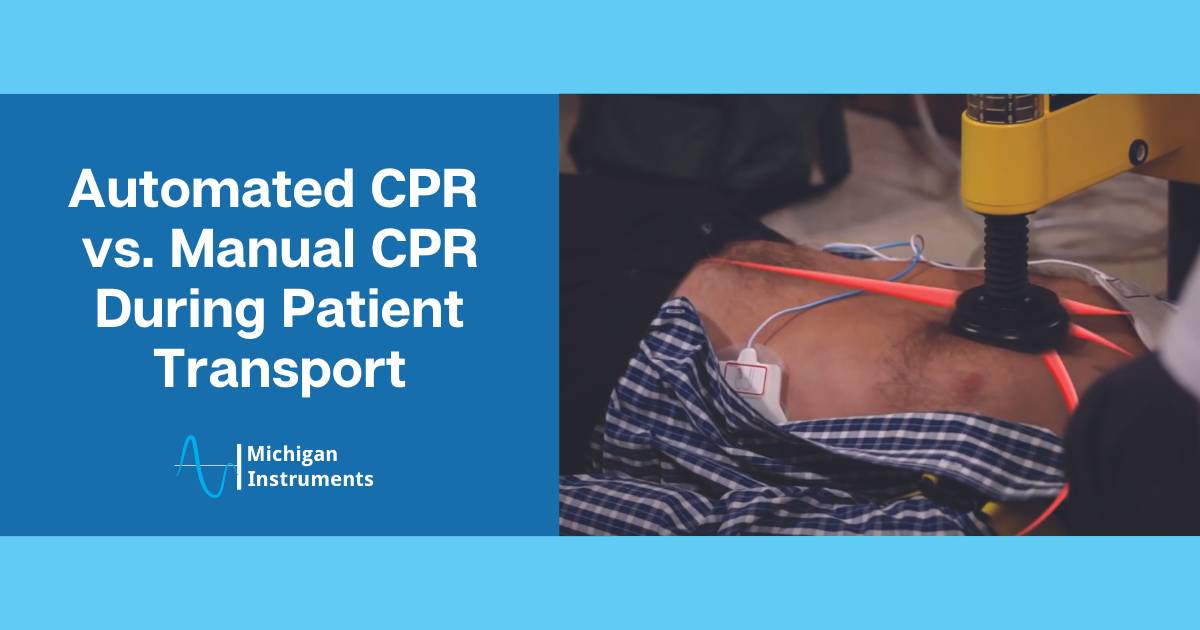
Since ensuring patient and first responder safety is a priority during transport, the use of automatic CPR devices provides a safer, higher-quality alternative for providers who transport cardiac arrest patients.

Automated CPR devices allow for consistent, uninterrupted compressions that are more effective than manual CPR. In addition, automated CPR ensures consistency of compressions which is unmatched by typical manual CPR.

Many of our customers have found that using our Automated CPR devices, whether it’s  our Life-Stat or Thumper,  is safe and effective when patient transport poses a unique set of challenges and dangers:

  • Extended travel times due to long-distances in rural areas or traffic congestion in cities
  • Moving a patient down stairs where manual CPR is all but impossible
  • In a helicopter or air rescue where providers must be secured
  • When an extra set of hands are needed to assist all patient needs or with multiple patients

Read: How the Life Stat Automated CPR Device Saved a North Carolina’s Woman Life

Read: Life-Stat CPR Device Saves Man’s Life After Being Clinically Dead

How Our CPR Devices Provide Safe Patient Care

Our automatic CPR devices are designed to deliver prolonged and consistent compressions. This allows medical professionals to focus on other areas of patient care 

The devices are lightweight, easy to use, and allow rescuers to be more safely positioned and less susceptible to personal injury.

Patients can easily be transported, even at an incline/decline, and our Life-Stat and Thumper will continue to perform without interruption. 

Our customers have been vocal about how our CPR devices have helped them:

“The Life-Stat is 100% reliable. You can count on the device working every single time you pull it out of the bag. It is rugged and built so sturdy and it is virtually indestructible. Another very important feature is that it works on the available oxygen supply that every ambulance requires. If you need to ventilate your patient you have immediate access to 100% oxygen. And there are no springs, batteries or settings to worry about.”

– Randy Price, Paramedic

See The Advantages the Thumper and Life-Stat CPR Devices Provide

Interested in learning more about manual CPR vs mechanical CPR, or more information about the automated CPR devices available from Michigan Instruments? Contact us today to learn more, or request a quote.

You can also download our Automated CPR Brochure for prehospital providers.

emergency room crowding

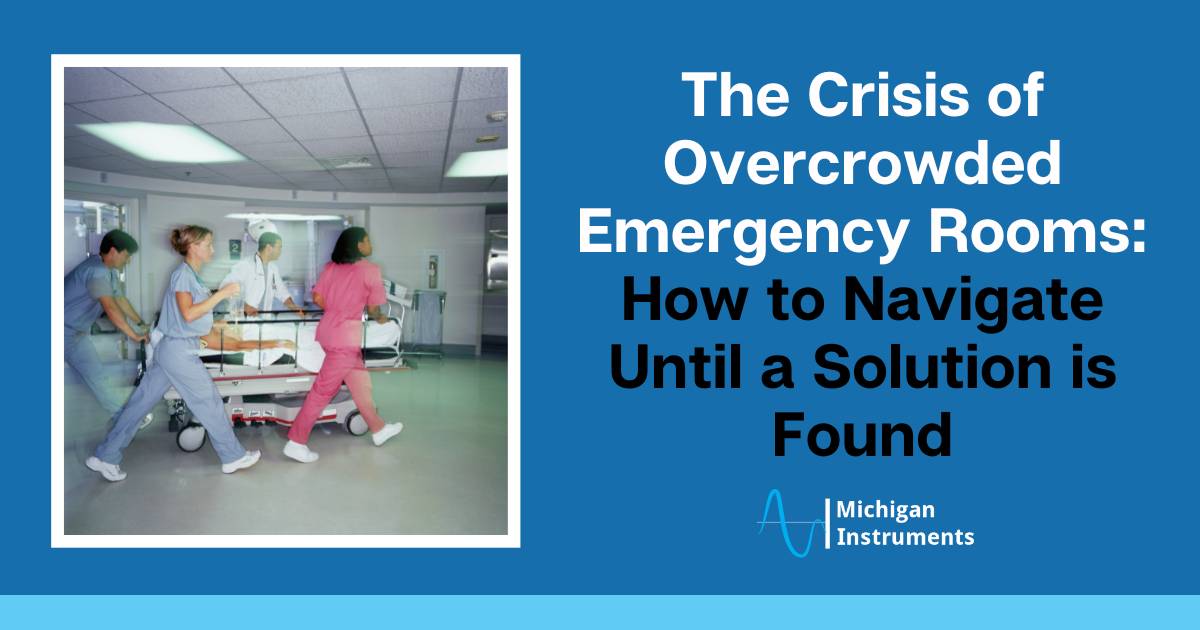
Emergency rooms (ERs) are designed to provide immediate medical attention to patients in emergency situations. However, the demand for emergency medical services continues to increase, leading to emergency room crowding all over the country. 

This has resulted in very long wait times and possible delayed treatment. In fact, a recent study found that over 90% of US emergency departments report overcrowding to be a problem, and nearly 40% reported that overcrowding occurs daily.

Below, we discuss how to navigate and manage overcrowded ERs until a national solution is found.

What Causes Overcrowded Emergency Rooms?

In order to assess possible solutions to the issue of overcrowded emergency rooms, we need to understand the causes.

The overcrowding of emergency rooms is caused by various factors, such as:

  • Utilizing the ER as a primary care provider: Many people use the ER as their primary care provider because they either don’t have access to primary care physicians or aren’t able to afford one.
  • Aging population: As the population ages, the demand for emergency medical services increases.
  • Chronic diseases: The effects of chronic diseases, such as diabetes and heart disease, may require more frequent emergency room visits.
  • Mental health services: Patients that experience mental health issues often use the emergency room as an attempt to get immediate help.  

Effects of Overcrowded Emergency Rooms

Overcrowded ERs can have significant effects on patient care, including, but not limited to:

  • Longer wait times: Patients may wait a long time before receiving medical attention.  In some cases, this can delay treatment and patients may experience pain for a long time.
  • Increased risk of medical errors: When Emergency Rooms are overwhelmed, medical staff may be rushing or reacting quickly.  This can lead to the possibility of medical errors.
  • Reduced quality of care: Overcrowding can lead to medical staff not being able to offer enough time to provide higher quality care before they have to move on to the next patient.

How to Manage a Crowded ER

While various solutions are being proposed to address the national crisis of overloaded ERs, hospitals can both manage and navigate the situation in the meantime using the following solutions:

1. Offer Options to “Non-Emergency” Patients 

A lot of the time, ERs get congested with patients who may not require immediate attention. 

To combat this issue, consider implementing a system where your staff kindly asks those patients to either wait until patients with urgent needs have been helped, or refer them to other facilities such as a nearby or on-site urgent care clinic.

It may be difficult to defer the patient that does not require emergency treatment, or delay treatment, but in reality, emergency rooms are built for true, life-threatening emergencies.

2. Communicate With Other ER Staff

Another solution is perhaps one of the most important aspects of any successful workplace: concise, clear communication. 

This is especially important in environments like an ER where time is valuable. The staff is moving quickly, and everyone involved has to think fast while also providing the best care.

Concise communication with nurses, clerical staff, and other doctors can assist with treating ER patients in a more efficient way. If there is poor communication in your emergency department, assess the situation to create a more productive system.

3. Smart Time Management

Consider the way your staff manages their time. For example, how are you spending time during periods when the ER is slow? While it may be smart to play catch-up during these times, don’t forget that it’s also vital for your staff to take care of themselves.

When they get a break, encourage them to sit down, have a snack, hydrate, or just relax.

During a slower time, it may also be beneficial to review both a patient’s history and previously gathered information. Some patients shouldn’t be seen without reviewing any history and/or notes that may have been recorded.  Your medical staff should be aware of this information before they are treated.   

4. Utilize Smart Medical Equipment That Acts Quickly and Efficiently

Working in a fast-paced environment like an Emergency Room is very physically demanding, and requires a lot of long and strenuous hours. 

Investing in equipment for your department helps your staff…

  • Reduce the physical strain on their bodies
  • Maintain their energy longer; thus having the physical and mental capacity to give patients better care, faster.

We provide superior medical devices that can assist your ER staff in emergency scenarios – our automated CPR machines. Our Life-Stat and Thumper CPR devices are lightweight and easy to use when patients are in cardiac arrest. 

They offer many advantages in an emergency room setting including quick set-up, the option to include ventilation with chest compressions, and most importantly, hands-free operation. That way, emergency physicians have the ability to focus on other life-saving measures.

There’s a reason why so many healthcare facilities across the country (and the world) use our devices. They’re a tried and true, one-of-a-kind solution during cardiac arrest; they help calm the situation and add an “extra set of hands.”

Learn More About How Our Devices Can Assist With Emergency Room Crowding

If your hospital is burdened with the stress of emergency room crowding and limited time and resources with the patients, take action with our revolutionary devices that will save your staff time and energy.

Our dedicated team has developed and maintained life-saving and research driven devices for over seven decades now, with no plans to stop anytime soon. Contact us today to request a free quote or learn more about our devices!