
Michigan Instruments News & Insights
 https://www.michiganinstruments.com/wp-content/uploads/2023/11/MII-Blog-Headers-43.png?ver=1786039050
630
1200
red66
https://www.michiganinstruments.com/wp-content/uploads/2018/11/RCTCLEARBLACK_large.png?ver=1786039050
red662023-11-08 18:13:232026-07-14 12:55:175+ Situations Where Automatic CPR Helps Saves Patients’ Lives
 https://www.michiganinstruments.com/wp-content/uploads/2023/10/MII-Blog-Headers-39.png?ver=1786039050
630
1200
red66
https://www.michiganinstruments.com/wp-content/uploads/2018/11/RCTCLEARBLACK_large.png?ver=1786039050
red662023-10-24 19:24:022023-10-24 19:28:51Hospital Funding Tied to Outcomes: How Technology Can Boost Your Hospital’s Funding
 https://www.michiganinstruments.com/wp-content/uploads/2023/10/MII-Blog-Headers-38-1.png?ver=1786039050
630
1200
red66
https://www.michiganinstruments.com/wp-content/uploads/2018/11/RCTCLEARBLACK_large.png?ver=1786039050
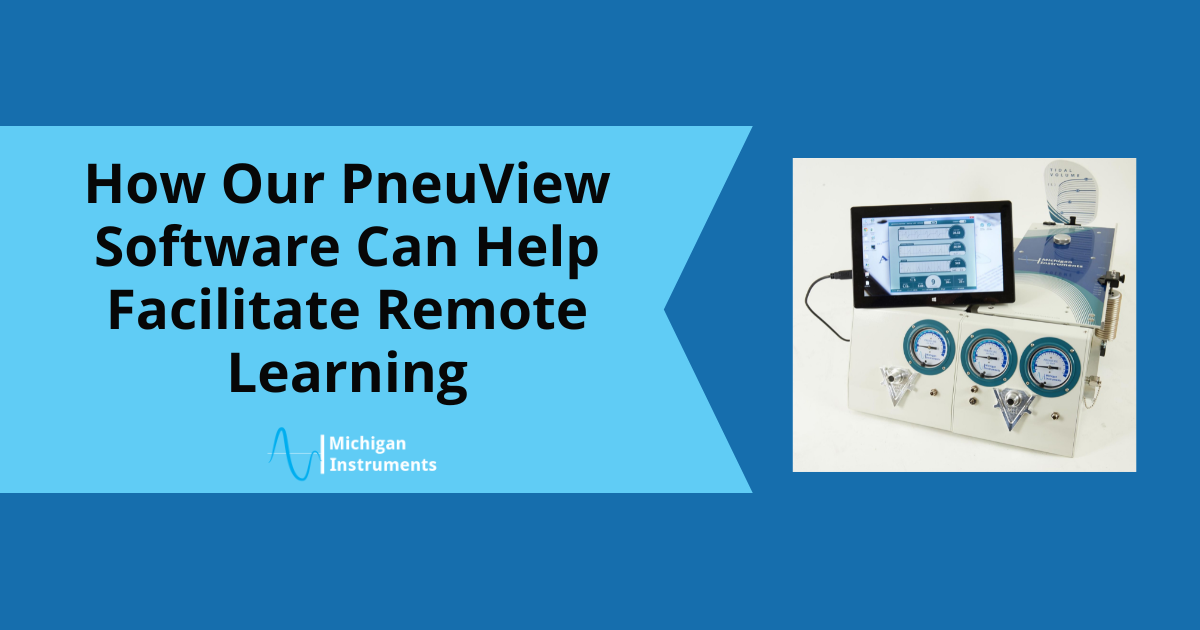
red662023-10-11 14:29:072023-10-11 14:35:12How Our PneuView Software Can Help Facilitate Remote Learning
 https://www.michiganinstruments.com/wp-content/uploads/2023/09/MII-Blog-Headers-37.png?ver=1786039050
630
1200
red66
https://www.michiganinstruments.com/wp-content/uploads/2018/11/RCTCLEARBLACK_large.png?ver=1786039050
red662023-09-21 16:21:122026-07-14 12:41:43September is National Preparedness Month: How to Prepare Your Hospital For Emergency and Disaster Situations
 https://www.michiganinstruments.com/wp-content/uploads/2023/09/MII-Blog-Headers-35.png?ver=1786039050
630
1200
red66
https://www.michiganinstruments.com/wp-content/uploads/2018/11/RCTCLEARBLACK_large.png?ver=1786039050
red662023-09-14 14:20:252023-09-14 14:20:25Pairing a Defibrillator with Automated CPR Machines
 https://www.michiganinstruments.com/wp-content/uploads/2023/09/MII-Blog-Headers-12.png?ver=1786039050
630
1200
red66
https://www.michiganinstruments.com/wp-content/uploads/2018/11/RCTCLEARBLACK_large.png?ver=1786039050
red662023-09-01 15:06:352023-09-01 15:06:35Exploring AI Medical Tools: Weighing the Promise Against the Pitfalls
 https://www.michiganinstruments.com/wp-content/uploads/2023/08/MII-Blog-Headers-32.png?ver=1786039050
630
1200
red66
https://www.michiganinstruments.com/wp-content/uploads/2018/11/RCTCLEARBLACK_large.png?ver=1786039050
red662023-08-03 18:19:172023-08-03 18:19:178 Reasons Why Good Bedside Manner is More Important Than Ever
 https://www.michiganinstruments.com/wp-content/uploads/2023/07/MII-Blog-Headers-13.jpg?ver=1786039050
630
1200
red66
https://www.michiganinstruments.com/wp-content/uploads/2018/11/RCTCLEARBLACK_large.png?ver=1786039050
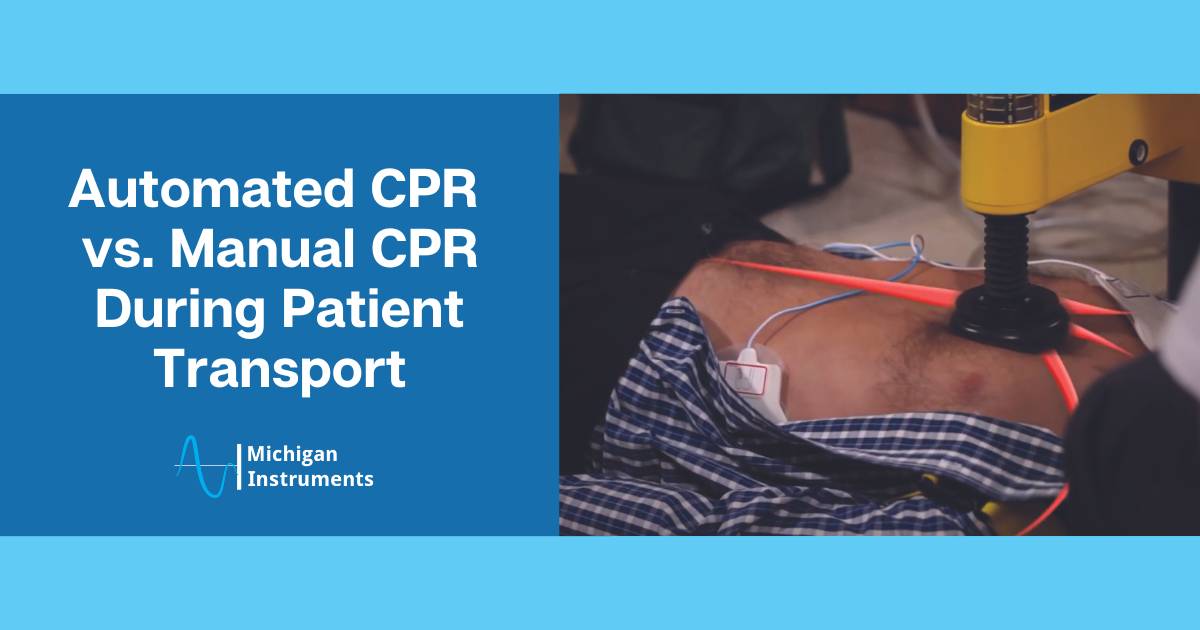
red662023-07-20 13:08:322023-07-20 13:08:32Automated CPR vs. Manual CPR During Patient Transport
 https://www.michiganinstruments.com/wp-content/uploads/2023/07/MII-Blog-Headers-11.jpg?ver=1786039050
630
1200
red66
https://www.michiganinstruments.com/wp-content/uploads/2018/11/RCTCLEARBLACK_large.png?ver=1786039050
red662023-07-14 14:04:592023-07-14 14:04:59Simulate an Acute Asthma Attack with Michigan Instruments’ Lung Simulators
 https://www.michiganinstruments.com/wp-content/uploads/2023/06/MII-Blog-Headers-10.jpg?ver=1786039050
630
1200
red66
https://www.michiganinstruments.com/wp-content/uploads/2018/11/RCTCLEARBLACK_large.png?ver=1786039050
red662023-06-19 16:53:412023-06-19 16:53:41Top 10 Ways Lung Simulators Benefit Respiratory Therapy Programs
https://www.michiganinstruments.com/wp-content/uploads/2023/11/MII-Blog-Headers-43.png?ver=1786039050
630
1200
red66
https://www.michiganinstruments.com/wp-content/uploads/2018/11/RCTCLEARBLACK_large.png?ver=1786039050
red662023-11-08 18:13:232026-07-14 12:55:175+ Situations Where Automatic CPR Helps Saves Patients’ Lives
https://www.michiganinstruments.com/wp-content/uploads/2023/10/MII-Blog-Headers-39.png?ver=1786039050
630
1200
red66
https://www.michiganinstruments.com/wp-content/uploads/2018/11/RCTCLEARBLACK_large.png?ver=1786039050
red662023-10-24 19:24:022023-10-24 19:28:51Hospital Funding Tied to Outcomes: How Technology Can Boost Your Hospital’s Funding
https://www.michiganinstruments.com/wp-content/uploads/2023/10/MII-Blog-Headers-38-1.png?ver=1786039050
630
1200
red66
https://www.michiganinstruments.com/wp-content/uploads/2018/11/RCTCLEARBLACK_large.png?ver=1786039050
red662023-10-11 14:29:072023-10-11 14:35:12How Our PneuView Software Can Help Facilitate Remote Learning
https://www.michiganinstruments.com/wp-content/uploads/2023/09/MII-Blog-Headers-37.png?ver=1786039050
630
1200
red66
https://www.michiganinstruments.com/wp-content/uploads/2018/11/RCTCLEARBLACK_large.png?ver=1786039050
red662023-09-21 16:21:122026-07-14 12:41:43September is National Preparedness Month: How to Prepare Your Hospital For Emergency and Disaster Situations
https://www.michiganinstruments.com/wp-content/uploads/2023/09/MII-Blog-Headers-35.png?ver=1786039050
630
1200
red66
https://www.michiganinstruments.com/wp-content/uploads/2018/11/RCTCLEARBLACK_large.png?ver=1786039050
red662023-09-14 14:20:252023-09-14 14:20:25Pairing a Defibrillator with Automated CPR Machines
https://www.michiganinstruments.com/wp-content/uploads/2023/09/MII-Blog-Headers-12.png?ver=1786039050
630
1200
red66
https://www.michiganinstruments.com/wp-content/uploads/2018/11/RCTCLEARBLACK_large.png?ver=1786039050
red662023-09-01 15:06:352023-09-01 15:06:35Exploring AI Medical Tools: Weighing the Promise Against the Pitfalls
https://www.michiganinstruments.com/wp-content/uploads/2023/08/MII-Blog-Headers-32.png?ver=1786039050
630
1200
red66
https://www.michiganinstruments.com/wp-content/uploads/2018/11/RCTCLEARBLACK_large.png?ver=1786039050
red662023-08-03 18:19:172023-08-03 18:19:178 Reasons Why Good Bedside Manner is More Important Than Ever
https://www.michiganinstruments.com/wp-content/uploads/2023/07/MII-Blog-Headers-13.jpg?ver=1786039050
630
1200
red66
https://www.michiganinstruments.com/wp-content/uploads/2018/11/RCTCLEARBLACK_large.png?ver=1786039050
red662023-07-20 13:08:322023-07-20 13:08:32Automated CPR vs. Manual CPR During Patient Transport
https://www.michiganinstruments.com/wp-content/uploads/2023/07/MII-Blog-Headers-11.jpg?ver=1786039050
630
1200
red66
https://www.michiganinstruments.com/wp-content/uploads/2018/11/RCTCLEARBLACK_large.png?ver=1786039050
red662023-07-14 14:04:592023-07-14 14:04:59Simulate an Acute Asthma Attack with Michigan Instruments’ Lung Simulators
https://www.michiganinstruments.com/wp-content/uploads/2023/06/MII-Blog-Headers-10.jpg?ver=1786039050
630
1200
red66
https://www.michiganinstruments.com/wp-content/uploads/2018/11/RCTCLEARBLACK_large.png?ver=1786039050
red662023-06-19 16:53:412023-06-19 16:53:41Top 10 Ways Lung Simulators Benefit Respiratory Therapy Programs