pros and cons of telemedicine

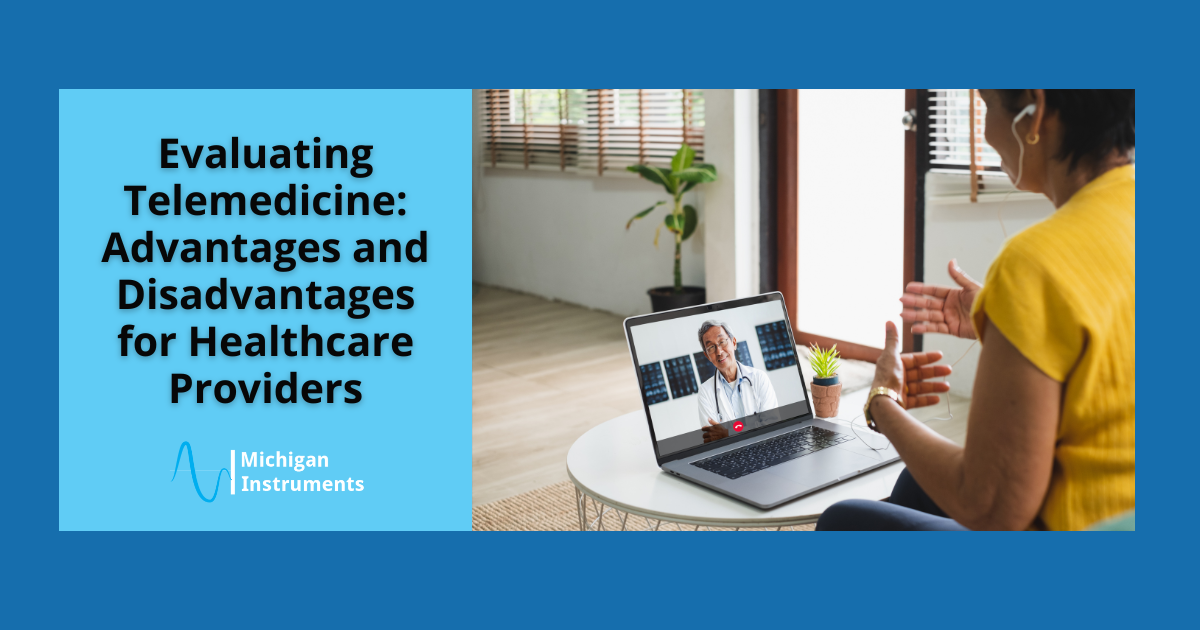
In recent years, particularly since the onset of the COVID-19 pandemic, telemedicine has become more common, transforming the healthcare landscape and emerging as a viable alternative to traditional in-patient care.

In this blog, we’ll provide insights into the pros and cons of telemedicine as an option for patient care, acknowledging the growing influence of this technology in the industry.

Advantages of Telemedicine for Healthcare Providers

Below are the main advantages of utilizing telemedicine for healthcare providers.

1. Reach Patients in More Areas

Telemedicine eliminates geographical barriers, enabling healthcare providers to reach patients in remote or underserved areas.

This enhanced accessibility fosters increased patient engagement and expands the reach of healthcare services.

2. Time and Cost Efficiency

The adoption of telemedicine can streamline healthcare processes, reducing the need for in-person appointments and their associated costs.

Healthcare providers can efficiently allocate their time and resources, optimizing patient care delivery.

3. Efficient Delivery of Care

Telemedicine facilitates quick ways to connect patients with a provider, minimizing wait times for appointments.

This is particularly advantageous for conditions requiring swift intervention, leading to improved patient outcomes, thus benefiting your facility and improving patient retention.

4. Chronic Disease Management

Telemedicine serves as an effective tool for managing chronic conditions.

Regular virtual check-ins and remote monitoring enable healthcare providers to closely track patients’ health metrics, intervening proactively when needed.

5. Infection Risk Mitigation

Telemedicine minimizes in-person interactions, playing a vital role in reducing the risk of spreading infectious diseases.

This is particularly important during pandemics or when dealing with contagious illnesses, protecting both healthcare providers and patients.

Disadvantages of Telemedicine for Healthcare Providers

The following list contains some disadvantages of telemedicine for providers.

1. Limitation in Physical Examination

One drawback of telemedicine is the lack of a physical examination.

Many medical conditions require hands-on assessments, and the absence of this aspect in telemedicine can impact the accuracy of diagnoses and delivery of proper care.

2. Technological Barriers

Not all patients have access to the necessary technology or a reliable internet connection for telehealth consultations.

Healthcare providers should proactively address technological disparities by implementing initiatives to provide necessary devices, promoting digital literacy, and collaborating with community organizations to ensure equitable access to remote healthcare services for all patients.

3. Privacy and Security Challenges

Sharing sensitive health information over digital channels raises concerns about privacy and security.

Healthcare providers can protect patient data by implementing robust cybersecurity measures, encrypting communications, conducting regular security audits, and ensuring staff undergo comprehensive training on privacy and data protection protocols.

4. Limited Personal Connection

Building a strong rapport between healthcare providers and patients is crucial for effective care and patient retention. In fact, studies show that a good bedside manner has a considerable impact on patient health.

Telemedicine may lack the personal touch and human connection established through in-person interactions.

During remote visits, providers can foster good bedside manner by maintaining clear communication, being polite and friendly, expressing empathy through virtual means, and ensuring a personalized and reassuring approach to care.

5. Legal and Regulatory Complexities

The evolution of telemedicine has outpaced the development of comprehensive legal and regulatory frameworks.

Healthcare providers can navigate these challenges by advocating for standardized practices and staying informed about evolving licensure and reimbursement policies to ensure seamless and compliant patient care across diverse regions.

The Bottom Line

While telemedicine has its drawbacks, it serves as a quick and efficient solution for doctors to provide patients with quick care from their own homes.

The convenience of virtual consultations makes it particularly advantageous for providing routine check-ups, prescription refills, and managing certain health conditions.

As telemedicine continues to reshape the healthcare landscape, healthcare providers must carefully weigh the advantages and disadvantages of its integration into their practices.

Acknowledging the pros and cons of telemedicine can empower healthcare professionals to leverage telemedicine effectively while ensuring the delivery of high-quality and patient-centered care.

Interested in More Technological Advancements for Your Healthcare Facility?

Michigan Instruments offers groundbreaking technology that has worked to revolutionize healthcare.

Our CPR devices and lung simulators are used in healthcare facilities and learning institutions across the country, and the world!

Learn why so many trust our devices. Reach out today.

healthcare worker appreciation

The holiday season is a time of joy, reflection, and gratitude. Since the main motivators for healthcare workers are dedication and compassion, expressing appreciation for them during this time becomes especially meaningful. 

As we approach this holiday season, Michigan Instruments offers a few ideas to help acknowledge the tireless efforts of those who work diligently to care for others. 

1. Personalized Tokens of Appreciation

Recognize the unique contributions of your healthcare team with personalized gifts or other tokens of appreciation. 

Consider items that align with their interests, such as custom scrubs, engraved stethoscopes, or wellness-oriented gifts. Personal touches like these convey that their hard work is not only seen, but valued on an individual level.

2. Festive Decor and Celebrations

Bring some holiday cheer to your workplace by decorating common areas with festive ornaments, lights, and decorations. Organize holiday-themed celebrations or meals to create a warm and enjoyable atmosphere. 

Embrace diversity in the workplace by celebrating a variety of holiday traditions. Beyond Christmas, adorn your workspace with symbols of Hanukkah, Kwanzaa, and other holiday traditions, fostering an inclusive environment that respects and honors all employees’ cultural festivities.

These events provide a break from the intensity of healthcare work and foster a sense of community among your team.

3. Flexible Scheduling and Time Off

Healthcare professionals often work long and tiring hours, especially during the holiday season when ER visits spike. Consider implementing flexible scheduling options or providing additional time off where possible, so that they can spend valuable time with their loved ones. 

This gesture acknowledges the sacrifices they make to ensure the well-being of others and demonstrates your commitment to their work-life balance.

4. Recognition Programs and Awards

Another way to show healthcare worker appreciation is by establishing recognition programs to spotlight outstanding contributions within your team. Recognize individuals or teams for their dedication, innovation, or exceptional patient care. 

Regular public acknowledgment, whether through awards or shout-outs in meetings, creates a culture of appreciation that resonates throughout the organization.

5. Thank You

Sometimes, the greatest gesture for your workers during the Holidays is offering a simple Thank You.

This can be done through words or actions, but it’s a very simple way to show healthcare worker appreciation.

Michigan Instruments wishes everyone a Safe and Happy Holiday Season.

automatic cpr

The debate about manual CPR vs automatic (“automatic”) CPR is one that has gone on for decades. While we know there are several advantages to automatic CPR in general, the outcome for patients with heart disease and heart failure who undergo any type of CPR are not always successful. 

This is due to the fact that CPR cannot remedy the underlying cause of the heart stoppage. Still, there are conditions where automatic CPR is beneficial to patients and increases odds of survival. This is the case when the underlying cause of the heart stoppage is not related to cardiovascular disease or the heart itself.

Keep reading to understand conditions where automatic CPR is beneficial to patient survival.

1. Prolonged CPR Situations

In many cases, traditional manual CPR is physically demanding for healthcare providers. When a patient requires prolonged resuscitation efforts, fatigue can set in, leading to decreased compression depth and rate, both of which are critical factors in effective CPR. 

Automatic CPR devices, on the other hand, can maintain consistent compression quality and rate over extended periods, ensuring that patients receive high-quality chest compressions without interruption.

2. Inconsistent Manual Compressions

One of the key challenges with manual CPR is maintaining consistent chest compressions. Healthcare providers may unintentionally vary compression depth and rate, even with training and experience. 

Automatic CPR devices are designed to deliver precise, consistent compressions, minimizing the risk of human error and improving overall patient outcomes.

3. Transporting Patients

During critical care scenarios where patients need to be moved, such as from a home to an ambulance or between hospital departments, maintaining uninterrupted CPR is vital. 

Automatic CPR devices can be safely and efficiently used during patient transport, ensuring that chest compressions remain consistent and effective throughout the journey.

4. High-Risk Settings

Certain situations, such as cardiac arrests in helicopters, during MRI scans, or in cramped spaces where it’s difficult to provide manual CPR, require specialized solutions. Automatic CPR devices can be particularly advantageous in these high-risk settings. 

They offer the flexibility and stability required to administer high-quality chest compressions while accommodating the unique constraints of each environment.

5. Controlled Environments

In some cases, a controlled environment, like an operating room, may benefit from automatic CPR devices due to the need for precise and consistent chest compressions during surgical procedures or interventions. 

These devices can be synchronized with other equipment and procedures, ensuring optimal patient care.

6. Standardization of Care

Standardization of care is essential for improving patient outcomes. Automatic CPR devices provide a consistent and standardized approach to chest compressions, regardless of the provider’s experience or fatigue level. 

This consistency enhances the quality of care delivered to patients, increasing their chances of survival.

7. Provide Time to Correct Root Cause of Heart Stoppage

Heart conditions require additional treatments to correct the root cause of the heart stoppage. While doctors are performing these treatments, an automatic CPR device can maintain optimum compressions and perfusion without interruption. 

Michigan Instruments’ Life-Stat Automatic CPR device also is open by design to allow doctors easier access to the patient’s chest as they administer treatment and care such as defibrillation, or relief of a pneumothorax by a chest tube. 

The Life-Stat is the only device available with a built-in ventilator. This allows the device to administer breaths to the patient per current American Heart Association (AHA) CPR Guidelines

Doctors and caregivers are able to work hands free to treat the patient’s symptoms— knowing that patients are getting proper AHA specified compressions and coordinated ventilation.

Many hospitals may think that automatic CPR devices belong only in the Emergency Department, but these devices can be used throughout different units including cardiovascular care areas, ICU, step down care units and more. 

Some hospitals have found that deploying the Life-Stat to any code blue situation (i.e. heart stoppage) can offer improved results including better cerebral perfusion.

Interested to Learn More? Reach Out Today.

Automatic CPR devices have emerged as a crucial tool in specific situations where consistent and high-quality chest compressions are paramount. 

Our CPR devices can enhance patient survival rates, particularly in prolonged CPR situations, during patient transport, in high-risk settings, and wherever standardization of care and quality data collection are essential.

Learn more about our CPR devices or contact us today with any questions you have about its application in your facility’s setting.

advanced medical devices

In recent years, healthcare systems around the world have been undergoing a major transformation. One of the most significant changes has been the shift from traditional fee-for-service reimbursement models to value-based care. 

Under this new paradigm, hospital funding is increasingly tied to patient outcomes, quality of care, and efficiency. To succeed in this evolving landscape, hospitals are turning to smart hospital technology as a powerful ally. 

In this blog, we will explore how technology can boost your hospital’s funding by improving outcomes, reducing costs, and enhancing overall healthcare delivery.

1. Enhanced Patient Engagement

Technology has revolutionized the way hospitals engage with patients. With the popularity of cell phones and the internet, patients are connected and informed now, more than ever before. Hospitals can leverage this connectivity to foster better patient engagement. 

Electronic health records (EHRs) and patient portals allow patients to access their medical records, schedule appointments, and communicate with their healthcare providers in a way that is easy and more convenient than the traditional methods of the past.

This enhanced engagement can lead to better adherence to treatment plans, resulting in healthier outcomes.  This can boost funding through performance-based incentives and shared savings programs.

2. Telemedicine and Remote Monitoring

Telemedicine has emerged as a game-changer for healthcare. Through video consultations and remote monitoring tools, healthcare providers can extend their reach beyond the hospital’s physical walls. 

Telemedicine increases access to patient care, and results in higher patient satisfaction and improved outcomes. 

Health systems that embrace telemedicine technologies are more likely to receive favorable reimbursements and financial incentives for their innovative approaches to care delivery.

3. Predictive Analytics and Machine Learning

Predictive analytics and machine learning are transforming the way hospitals manage patient populations. These technologies can identify high-risk patients and intervene early to prevent complications or readmissions. 

By analyzing large datasets, hospitals can predict disease outbreaks, optimize resource allocation, and personalize treatment plans. 

Improved patient risk stratification and resource allocation can lead to cost savings and improved outcomes, making hospitals more attractive to payers and investors.

4. Quality Improvement and Population Health Management

Hospitals are increasingly held accountable for patient outcomes and quality of care. To meet these demands, smart hospital technology is essential. 

Population health management platforms help hospitals track and manage the health of their communities by aggregating and analyzing data from various sources. 

Quality improvement initiatives can be more data-driven and efficient, resulting in better patient outcomes and higher reimbursement rates.

5. Interoperability

Interoperability is the ability of healthcare systems and software to exchange and use health information seamlessly. 

The adoption of interoperable systems can reduce duplicative tests, enhance care coordination, and prevent medical errors. Improved interoperability can boost hospital funding through reduced costs and better patient outcomes. 

This can also position hospitals favorably in the eyes of regulatory bodies that often incentivize the adoption of interoperable systems.

6. Data Security and Privacy

While technology can undoubtedly boost funding, it’s crucial to address the cybersecurity and privacy concerns that come with the digital transformation. 

Data breaches and privacy violations can result in financial penalties and damage to a hospital’s reputation. Robust cybersecurity measures and compliance with regulations, such as HIPAA, are essential to safeguard patient data and maintain trust. 

A secure hospital environment is more likely to attract patients and gain the trust of regulatory bodies and insurers.

7. Medical Technology Can Help Save Lives

In today’s healthcare landscape, smart hospital technology plays a pivotal role in both saving lives and boosting a hospital’s funding. CPR machines are no exception. 

These essential tools enhance patient care, increasing the chances of survival for those in critical condition. Moreover, they improve the hospital’s reputation, attracting more patients and referrals. 

By investing in state-of-the-art CPR machines, hospitals can demonstrate their commitment to patient well-being and safety, ultimately leading to higher patient satisfaction scores. This, in turn, can secure better reimbursements and grant access to more funding opportunities, ensuring the hospital remains financially resilient while providing superior care.

Michigan Instruments provides state of the art CPR devices that provide consistent external chest compression, giving your patients their best chance for survival. Our CPR chest compression machines perform effective, customized, hands-free CPR and never get tired. 

They allow medical professionals to concentrate on other life-saving procedures and provide improved access to the patient, and rescuers to be more safely positioned, and less susceptible to personal injury.

Additionally, our devices are high-quality and the best value on the market today, and they afford the lowest acquisition cost in the market and a low operating cost.

Find Out Why Healthcare Facilities Around the World Choose Us

Hospitals that embrace smart hospital technology can enhance patient engagement, improve the quality of care, and optimize costs. In doing so, they position themselves to benefit from performance-based incentives, shared savings programs, and a positive reputation. 

Our devices can be your first step toward improving your hospital for both your patients and your staff. 

Contact us today to learn about the numerous benefits our devices can offer.

remote learning opportunities

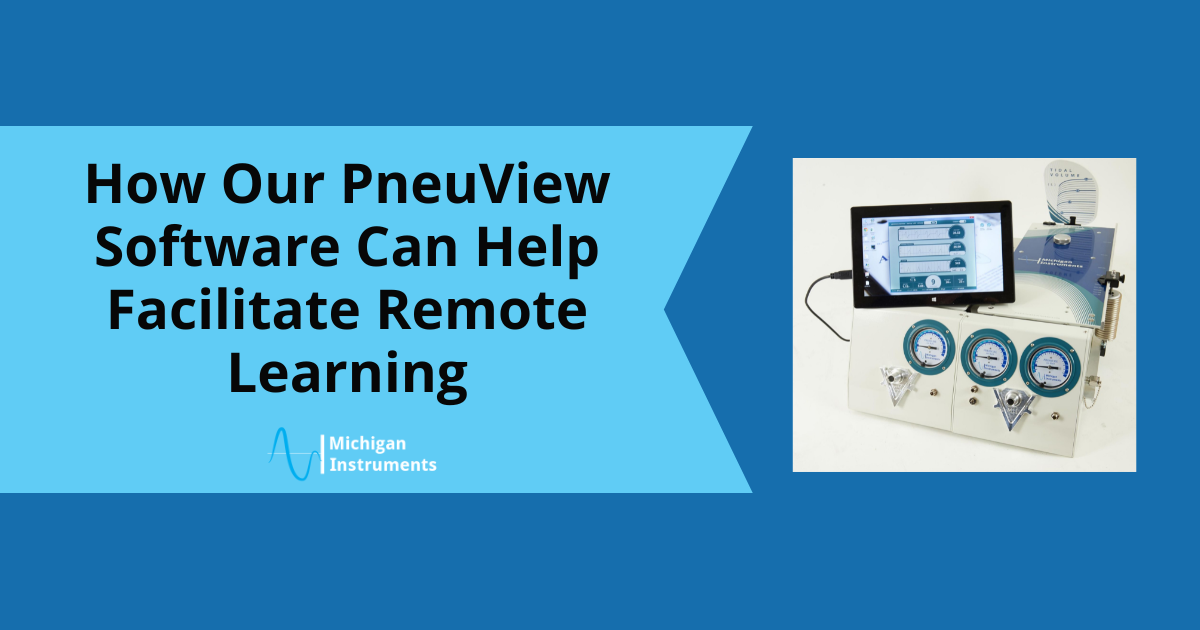
Michigan Instruments’ PneuView software is designed with your needs in mind, based on insight from our customers, educators, technicians, and engineers around the world.

This PC-based software interfaces with our Lung Simulators, and accurately provides numeric and graphical display of ventilation parameters in real time. Additionally, it allows you to save and export data for later review and analysis.

These traits and more also make PneuView a great tool for remote learning. Keep reading to learn how.

1.   Real Time Displays

Volume, pressure and flow values and waveforms are displayed in real time. This makes it easy for educators to share their PneuView screen with students during remote learning sessions and explain each piece of data directly.

2.   Record and Playback Function

The PV3 software has a record and playback function. This way, you can run different scenarios and record them ahead of time to be played back during a remote learning session.

3.   All Information Displayed on One Screen

Some educators opt for the non-instrumented (non-PV3) versions of our devices, since many modern day ventilators are capable of displaying similar information and waveforms.

However, having this information on your computer instead, and all on one screen, easily facilitates sharing with remote learners!

4.   Easy to Learn and Use

With remote learning opportunities comes a sense of responsibility to learn and understand new teaching platforms and systems. PneuView is a valuable tool and is easy to learn and use.

It’s user-friendly for both educators and students, and informational while not being too complicated.

5.   We’re Here to Help

We have resources available to help guide the use of our PneuView software, so you can get the most out of your experience.

One of our resources is our YouTube channel. There are several videos available that  are valuable for understanding how PneuView works and taking advantage of all its benefits.

Additionally, our FAQ page contains a wealth of information about PneuView. It provides concise and easily accessible information that helps our customers find answers quickly, enhancing understanding and engagement of all of our products.

Finally, our tech support team is always happy to help with PneuView!

Learn More About Using PneuView to Facilitate Remote Learning

In the age of remote learning opportunities, discovering new helpful tools and devices can be the perfect solution for advanced education.

Using our PneuView software is a fantastic way to provide quality education alongside our lung devices. Contact us today to learn more!

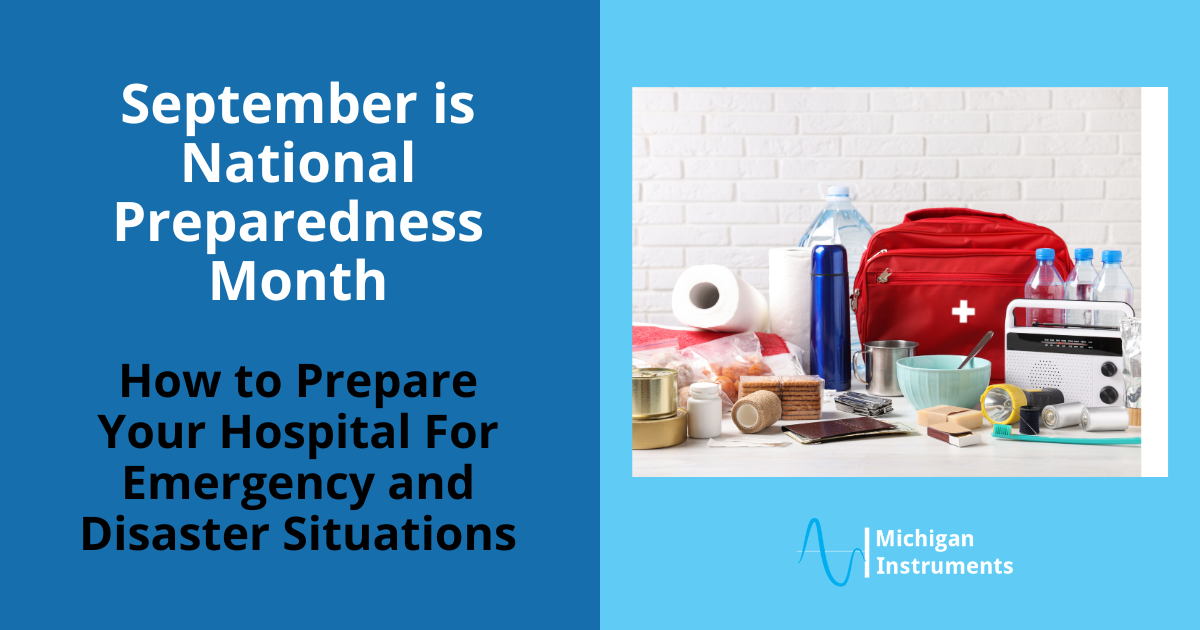
september is national preparedness month

First launched by the Federal Emergency Management Agency (FEMA), National Preparedness Month occurs every September with the goal to raise awareness about the importance of being prepared for disasters and emergencies.

For hospitals, preparedness is not just a yearly observance, but an ongoing commitment to safeguarding the health and well-being of their patients, staff, and communities.

No one can predict when a disaster occurs or how severe the circumstances will be. However, you can take precaution by learning how to prepare your hospital to minimize danger. Keep reading to learn how.

The Importance of Hospital Preparedness

Hospitals are hubs of healthcare delivery, and their ability to function during emergencies can be a matter of life and death. 

Whether it’s a natural disaster like a hurricane, a public health crisis like a pandemic, or a mass casualty event, hospitals must remain operational to meet the needs of their communities. 

Here’s why hospital preparedness is crucial:

1. Lifesaving Care

Hospitals provide critical medical care, and during emergencies, the demand for healthcare services often surges. Prepared hospitals can continue to offer essential treatments, surgeries, and emergency care to those in need.

2. Community Resilience 

Hospitals are an integral part of community resilience. When hospitals are prepared, they can help stabilize a situation, provide a safe haven for patients, and support recovery efforts.

3. Resource Conservation

Prepared hospitals can manage their resources more efficiently, ensuring that supplies, personnel, and equipment are available where and when needed. This helps prevent waste and ensures a sustainable response.

4. Maintaining Public Trust

During a crisis, people look to hospitals for help and guidance. A prepared hospital maintains public trust by demonstrating its ability to respond effectively, thereby reducing panic and uncertainty.

Key Steps to Hospital Preparedness in Emergency & Disaster Situations

1. Risk Assessment

Begin by conducting a thorough risk assessment to identify potential hazards and vulnerabilities specific to your hospital’s location. Consider factors like natural disasters, public health emergencies, and infrastructure vulnerabilities.

2. Emergency Plans and Policies

Develop comprehensive emergency plans and policies that address various scenarios. These should include evacuation plans, communication strategies, and guidelines for resource allocation.

3. Training and Education

Regularly train hospital staff in emergency response protocols. Ensure that everyone understands their roles and responsibilities during a crisis. Conduct drills and simulations to practice responses.

4. Resource Stockpiling

Stockpile essential medical supplies, including medications, personal protective equipment (PPE), and medical equipment. Maintain a robust inventory management system to monitor and rotate supplies regularly.

5. Communication Systems

Establish reliable communication systems, both within the hospital and with external partners such as local emergency management agencies, other healthcare facilities, and first responders.

6. Technology and Data Management

Leverage technology for real-time data monitoring and reporting. Electronic health records (EHRs) can help ensure patient information is accessible even during power outages.

7. Patient and Family Engagement

Educate patients and their families on what to expect during emergencies and how to prepare. Provide clear instructions for accessing care and information during a crisis.

8. Invest in Life-Saving Equipment

During an emergency, it can be difficult to manage stress and maintain the energy it takes to look after everyone around you. In these cases, smart medical devices can be your saving grace. Since September is National Preparedness Month, it’s the perfect time to begin preparing your hospital with such equipment.

We provide high quality medical devices that can assist your hospital staff in emergency scenarios. With quick, easy and stable chest placement and the ability to fit larger patients than other devices, our Life-Stat and Thumper CPR devices are lightweight and easy to use when patients are in cardiac arrest. 

They offer many advantages in an emergency setting including easy and fast set-up, the option to include ventilation with chest compressions, and most importantly, hands-free operation. That way, your staff will have the ability to focus on other life-saving measures.

There’s a reason why so many healthcare facilities across the country (and the world) use our devices. They’re a tried and true, one-of-a-kind solution during emergency situations; they can help calm the situation and contribute to saving lives.

Our Automated CPR Devices Save Lives. Learn How.

Take the extra step toward 24/7 safety in your health care facility. Our devices allow medical professionals to concentrate on other life-saving procedures and provide improved access to the patient. 

Learn more about our devices and all of the ways they can assist your healthcare staff.

Contact us today.

automated cpr devices

In the world of emergency medical response, every second counts. When a sudden cardiac arrest (SCA) occurs, immediate action is crucial to increase the chances of survival.

Defibrillators have long been hailed as life-saving devices, but recent advancements in technology have introduced a dynamic duo that can potentially save even more lives: pairing defibrillators with automated CPR devices.

Below, we’ll discuss the benefits and importance of combining these two life-saving devices.

The Challenge of Sudden Cardiac Arrest

SCA is a leading cause of death globally, claiming millions of lives each year. It can happen to anyone, anywhere, regardless of age or health status.

When an SCA occurs, the heart unexpectedly stops beating effectively, depriving the brain and other vital organs of oxygen. Without prompt intervention, the chance of survival diminishes rapidly.

The Role of Defibrillators

Defibrillators are designed to deliver an electric shock to the heart, known as defibrillation, to restore a normal heart rhythm in the event of a sudden cardiac arrest. These devices are used in hospitals and for medical rescue.

CPR helps maintain blood circulation, buying time until defibrillation can occur.

Manual CPR can be physically demanding and less consistent in terms of rate and depth of chest compressions, making the integration of automated CPR machines a game-changer.

Michigan Instruments’ Automated CPR Devices

Michigan Instruments pioneered Automated CPR devices and has been providing consistent and affordable automated CPR for over 50 years! Our Life-Stat is the only device on the market that complies with the AHA Guidelines for both compressions and ventilation, and represents the latest advancement in our history of CPR development.

Our automated CPR devices are light-weight, easy to use, and versatile. Because of the design of our device, defibrillators can be easily applied without loss of compressions.  They’re a reliable tool for EMS professionals, doctors and nurses providing their patients with quality care they can count on when the unexpected happens—especially SCA.

The Benefits of Michigan Instruments Automated CPR Machines

Automated CPR devices have emerged as a valuable addition to the medical toolkit. These devices are designed to provide consistent and high-quality chest compressions during cardiopulmonary resuscitation.

When paired with defibrillators, they offer several key advantages:

1. Consistency

Michigan Instruments Automated CPR machines deliver consistent chest compressions with adjustable compressions to be set at the recommended depth and rate, ensuring the best possible circulation for oxygen-rich blood to reach vital organs.

2. Uninterrupted CPR

Unlike human responders, automated CPR machines do not tire. They can continue providing chest compressions without pause.

3. Enhanced Safety

Michigan Instruments Automated CPR devices can be used in challenging environments, such as moving vehicles or confined spaces, where manual CPR might be difficult or dangerous.

4. Improved Survival Rates

Studies have shown that the combination of defibrillation and CPR can significantly improve survival rates for SCA victims.

Pairing Defibrillators with Automated CPR Machines

The synergy between defibrillators and automated CPR devices creates a fantastic solution in the field of emergency response. When these two devices work in tandem, the chances of saving a life dramatically increase.

Learn More About the Benefits of Michigan Instruments’ CPR Machines

In the critical moments following a sudden cardiac arrest, automated CPR machines can be your saving grace.

Our CPR devices have been recognized as breakthrough innovations in the medical profession. Learn why so many trust our devices for patient care, and contact us today for more information.

ai in medical devices

In recent years, the integration of Artificial Intelligence (AI) into medical devices has shown tremendous promise. AI-powered medical devices have the potential to revolutionize diagnostics, treatment planning, and patient care. 

However, before diving headfirst into the realm of AI medical tools, it’s essential to consider the potential drawbacks that come with these advancements.

In this blog, we’ll delve into some of the significant concerns surrounding AI medical tools—helping you make an informed decision for your healthcare practices.

1. Reliability and Accuracy

AI medical tools heavily rely on large datasets and complex algorithms to make decisions. While they have shown impressive accuracy rates in various studies, no AI system is infallible. 

Medical decision-making involves complex variables, and errors can occur due to biases in the training data, algorithmic limitations, or even technical glitches. Relying solely on AI tools without proper human oversight could potentially compromise patient safety and care quality.

2. Lack of Human Judgment

Medicine is as much an art as it is a science. Physicians bring not only their knowledge, but also their intuition and empathy to the table. AI medical tools lack the human touch that comes with a doctor’s ability to understand nuanced patient histories, emotional states, and subtle physical cues. 

Relying solely on AI tools might lead to missed diagnoses or inappropriate treatment recommendations in situations that require a deeper understanding of the patient’s life circumstances and emotional state.

3. Data Privacy and Security

AI medical tools thrive on massive amounts of patient data. This raises significant concerns about data privacy and security. Healthcare data is highly sensitive and protected by various regulations, like HIPAA. 

The use of AI tools necessitates the sharing of this data with third-party vendors or cloud services, potentially putting patient confidentiality at risk. A breach in data security could have severe legal and ethical implications.

4. Complex Implementation and Training

Integrating AI medical tools into existing healthcare systems isn’t a seamless process. It requires substantial investments in infrastructure, training, and IT support—which isn’t always possible for smaller or more rural healthcare facilities.

Physicians and medical staff need to be adequately trained to understand and use these tools effectively. If not implemented correctly, AI tools can lead to confusion, resistance, or even misuse, negatively impacting patient care.

5. Dependency and Skill Erosion

Relying heavily on AI medical tools could lead to a decline in the medical community’s core skills. As doctors become more dependent on AI for diagnoses and treatment planning, their ability to critically analyze cases and make independent decisions might diminish. 

Over time, this could lead to a generation of healthcare professionals who are skilled at operating AI tools but lack the essential clinical acumen that distinguishes great doctors from good ones.

The Michigan Instruments Approach

The integration of AI into the medical field undoubtedly offers exciting possibilities. While AI medical tools can streamline processes, aid in early detection, and enhance patient outcomes, they cannot replace the nuanced understanding and empathetic care that only a human medical professional can offer. 

Bridging this gap, our automated CPR machines provide a happy medium between manual and AI medical treatments. They integrate seamlessly into emergency response scenarios, allowing healthcare providers to focus on life-saving interventions without sacrificing the quality of care during cardiac events. 

By keeping the medical professional at the helm of decision-making, these machines offer an optimal blend of manual expertise and automated efficiency. They also enhance the safety and well-being of the rescuers, allowing them to be better positioned and less prone to injury. 

As we navigate the complex landscape of AI in healthcare, it’s important to remember that technology should be a tool, not a replacement, for human skill and compassion. 

To demo an automated CPR machine for your medical facility, contact us today!

good bedside manner

Demonstrating good bedside manner is a crucial skill for any healthcare professional. It encompasses qualities such as empathy, compassion, active listening, and effective communication skills. 

While good bedside manner has always been important, it is even more so in today’s healthcare landscape. Below, we discuss why good bedside manner is so important.

1. Patient-Centered Care

A study from Healthgrades and Medical Group Management Association (MGMA) found that over 52% of patients  indicated that they wanted their doctor to have at least one of the following qualities: compassion, comfort, patience, personality and bedside manner.

Similarly, studies show that a good bedside manner has a considerable impact on patient health. With a growing focus on patient-centered care, healthcare providers must prioritize the experience and satisfaction of their patients. 

A good bedside manner can play a crucial role in creating a positive and comforting atmosphere for patients, making them feel valued and involved in their own care. It helps build trust and improves overall patient experience and retention.

2. Emotional Support

Patients today can be dealing with high levels of stress, anxiety, and uncertainty. Whether they are facing a challenging diagnosis or undergoing treatment, emotional support is vital. 

Healthcare professionals with excellent bedside manner can provide the necessary empathy and compassion to ease their patients’ emotional burden.  This helps in fostering a sense of comfort and understanding.

3. Enhanced Communication

Effective communication is essential for ensuring that patients feel informed, understood, and involved in their healthcare decisions. When demonstrating a good bedside manner, this can  play a significant role in clear and open communication between healthcare providers and patients. 

This helps healthcare professionals explain complex medical information in a way that patients can understand, while also encouraging patients to ask questions and share their concerns.

4. Building Trust

Trust is the foundation of any successful doctor-patient relationship. A healthcare professional with good bedside manner can establish trust by actively listening, demonstrating empathy, and showing genuine care for their patients’ well-being. 

Patients are more likely to follow through with treatment plans and advice from a trusted provider.

5. Patient Satisfaction and Compliance

A positive bedside manner can also improve patient compliance with treatment plans, medication regimens, and follow-up appointments. Patients who feel heard, respected and supported are more likely to actively participate in their own care, leading to better outcomes.

6. Stress Reduction

A visit to the doctor or a hospital can be stressful for patients and their families. A healthcare provider with pleasing bedside manner can help alleviate some of that stress by creating a calm and comforting environment. 

The ability to empathize and provide emotional support can significantly reduce the anxiety that patients may experience during medical procedures and/or consultations.

7. Physician Well-Being

A good bedside manner is not only beneficial to patients but it also contributes to the well-being of healthcare providers. A positive doctor-patient relationship and the ability to provide compassionate care can enhance job satisfaction for healthcare professionals. 

It reminds them of the importance and impact of their work, leading to a more fulfilling career in the medical field.

8. Getting Patients Acquainted with Medical Devices

 Over the years, medical technology has made leaps and bounds, and continues to improve every day. For facilities that use advance medical equipment (like ours), it may be strange for patients to undergo care they aren’t familiar with.  

In these situations, it’s vital for their trusted healthcare professional to have empathy and clearly communicate the use of the technologies when necessary. 

Luckily, our CPR devices are easy to use and explain, providing patient ease of mind.  They also give physicians the ability to focus on other aspects of the resuscitation effort. Additionally, they work for patients of all ages and sizes.

Our CPR machines have contributed to helping people all over the country (and other countries), and we’re honored that these users have shared their stories with us. 

Hearing these stories drives our confidence that our devices work in a variety of healthcare situations, and contribute to saving lives.

Reach Out Today to Learn More About Using Our Devices in Your Healthcare Facility

Our medical equipment is a fantastic solution for hospitals, classrooms, research and development, and more. 

They’re easy to use, provide endless benefits, and continue to improve constantly. To learn more, contact us today.

lung simulation model

Did you know that our lung simulator is used in many facilities that offer Respiratory Therapy programs—throughout the United States—and  around the world? 

Designed and manufactured by Michigan Instruments, our Lung Simulators are utilized in colleges, universities, hospitals and training schools. Their accurate and reliable human pulmonary system simulation capabilities make them an incredible tool for training and education.

Here are 10 reasons why we believe our equipment is a great solution for respiratory therapy programs.

Why Choose Our Lung Simulator for Respiratory Therapy Programs?

1. Lung Condition Simulation

Facilitators can simulate a wide variety of healthy and diseased lung conditions by altering the lung compliance and airway resistance in a one or two-lung simulation. 

The flexibility of the devices provide accurate measurements and data that inform testing, research, and training for any and all lungs!

2. Realistic Volumes

Students work with a realistic total lung volume and residual volume—especially when using the Dual Adult Lung Training & Test Lung

This is one of the many features that allows the devices to provide the best representation of the functions of the human pulmonary system.

3. Versatility

There is great versatility in regard to introducing gasses, tapping into the lungs or airways, and connecting auxiliary devices, like CO2 monitors.

This makes teaching easy and convenient, while providing a physical demonstration.

4. Ventilation Dynamics

With the Dual Adult Training & Test Lung, facilitators can simulate unilateral lung disease and the resulting ventilation dynamics.

This contributes to easy demonstration of mechanical ventilation and laboratory exercises with ventilators.

5. Spontaneous Breathing

You can simulate a spontaneous breathing patient and evaluate the response of devices in various support modes.

Spontaneous breathing simulations are especially helpful for designing, testing, and providing training on non-invasive and supportive modes of ventilation and oxygenation. Our SBL™ allows control of the breath rate, tidal volume, inspiratory time, and inspiratory flow pattern.

6. Multiple Techniques

Our SBL™ also facilitates education and studies with various oxygen delivery systems, and with the addition non-invasive ventilation devices & techniques. 

7. Helpful Displays

When you add the PneuView software, you are able to see real-time data and waveform displays of pressure, volume, and flow, even when using simple ventilation devices like bag-valve-mask (BVMs), emergency ventilators, and CPAP systems.

8. Recordings 

When using the PneuView software, facilitators and educators have the ability to capture ventilation data. This data can be graphed, tabulated, or digitally recorded and retrieved for later review, demonstration, and analysis. 

9. Save Data

Students should have a simple and convenient way to perform research and keep track of their findings—and our software is more than capable of achieving that. With our PneuView systems, students can conduct research and easily save their data.

10.  Easy and Durable

Last but not least, and probably the best benefit of our equipment in Respiratory Therapy Programs, is that it’s easy to use—and built to stand the test of time. 

Many facilities have been using our products for years.  The PneuView software was designed with simplicity in mind, and our software continues to evolve based on the needs of our customers. 

Our customers have been vocal about how our equipment has been able to benefit them:

“We have been using Michigan Instruments Training Lung Simulators in our Respiratory Care program for many years and we love them. The lung simulator easily provides simulation of a variety of lung conditions that students can adjust to complete a variety of lab exercises. They are versatile, and a great tool for giving students hands-on experience with mechanical ventilation techniques, simulation of disease states for understanding pathology, and much more!”

– Dr. Ann Flint, Program Director, Respiratory Care – Jackson College

Learn More About How Our Lung Simulators Benefit Respiratory Therapy and Other Educational Programs

Medical professionals, directors, and educators around the world have chosen to partner with us and use our equipment in their programs. Our Lung Simulation product line continues to expand  to better service Respiratory Therapy Programs everywhere.

If you’re interested in learning more about our lung simulation devices, the PneuView Software, or any of our additional products, contact us anytime for more information.